Gemini 4 Carbon vs Argon, Hydrogen, Opus 5.5 and Sol: same prompts, the real bill
In the API, Google's strongest model, Gemini 4 Carbon, costs exactly what Gemini 4 Argon costs per token ($2 in, $10 out, until November 30, 2026). So it got the exact six prompts (a life animation, a voxel castle, a short film, a 3D car showroom, a driving game, a music studio) that Gemini 4 Argon, Gemini 4 Hydrogen, Claude Opus 5.5 and GPT-6.1 Sol built earlier, word for word. Everything runs in your browser.
A whole life, drawn in code
A human life from first heartbeat to old age, every frame drawn by JavaScript on one canvas, with a score synthesised in the browser.
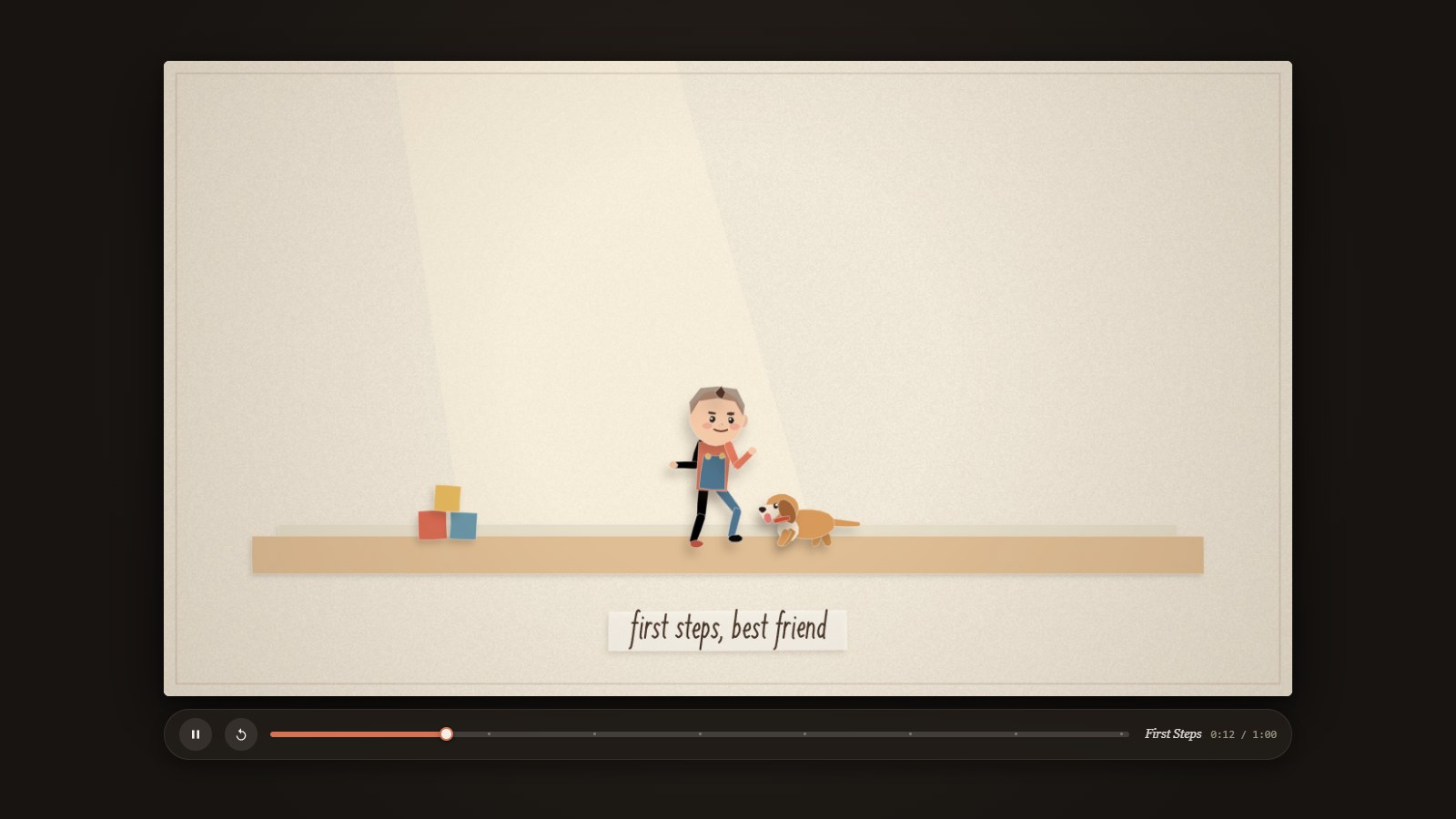
Eight paper-cut stages with handwritten captions drawn stroke by stroke. Written in two parts (the route stops every answer at 65,536 tokens); the second part began with 18,373 characters of the model's own reasoning text, removed and marked in the file.
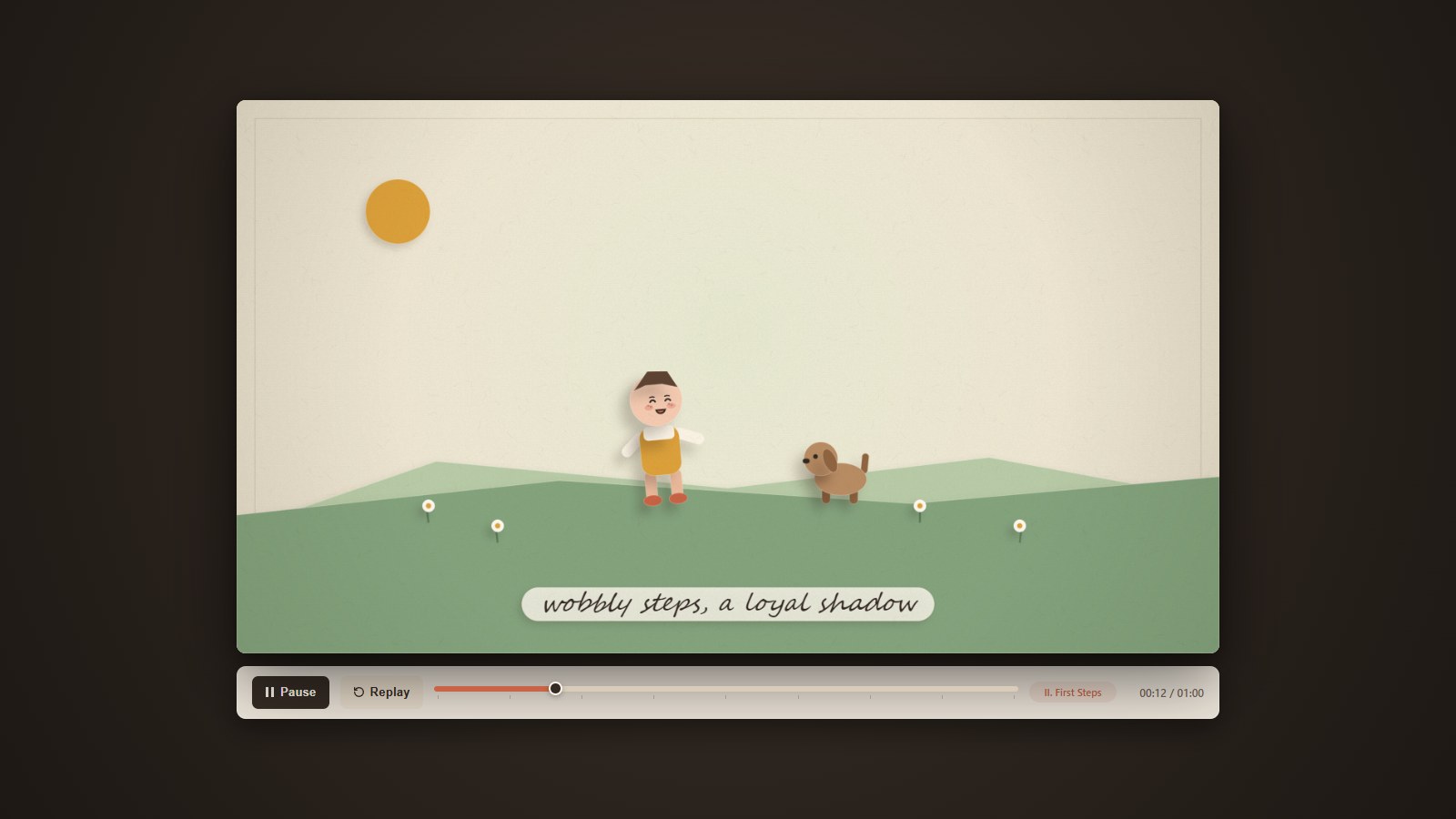
Gemini 4 Hydrogen (reasoning high), from the video-57 run. No edits.
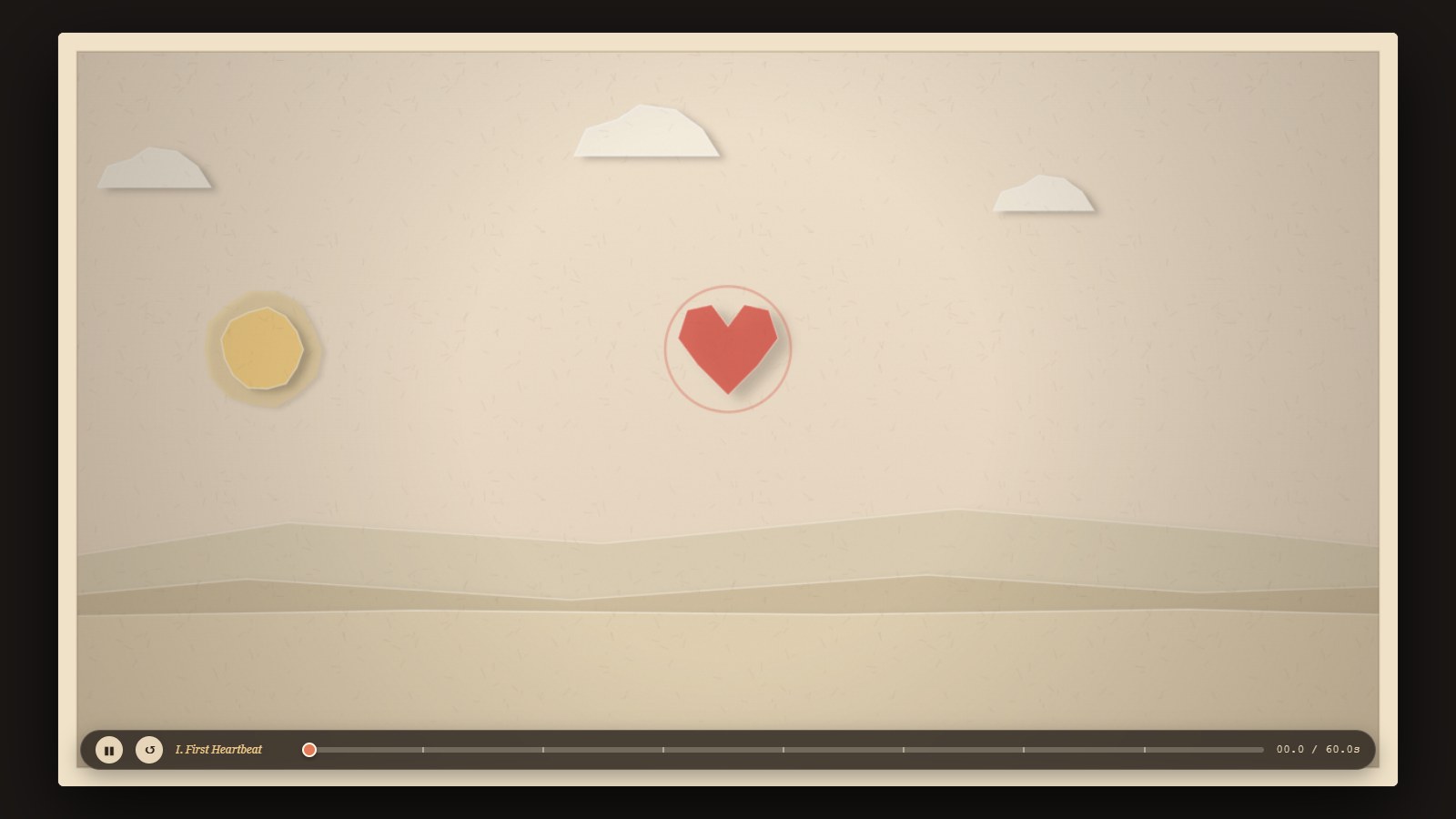
Gemini 4 Argon (reasoning low), from the video-27 run. No edits.
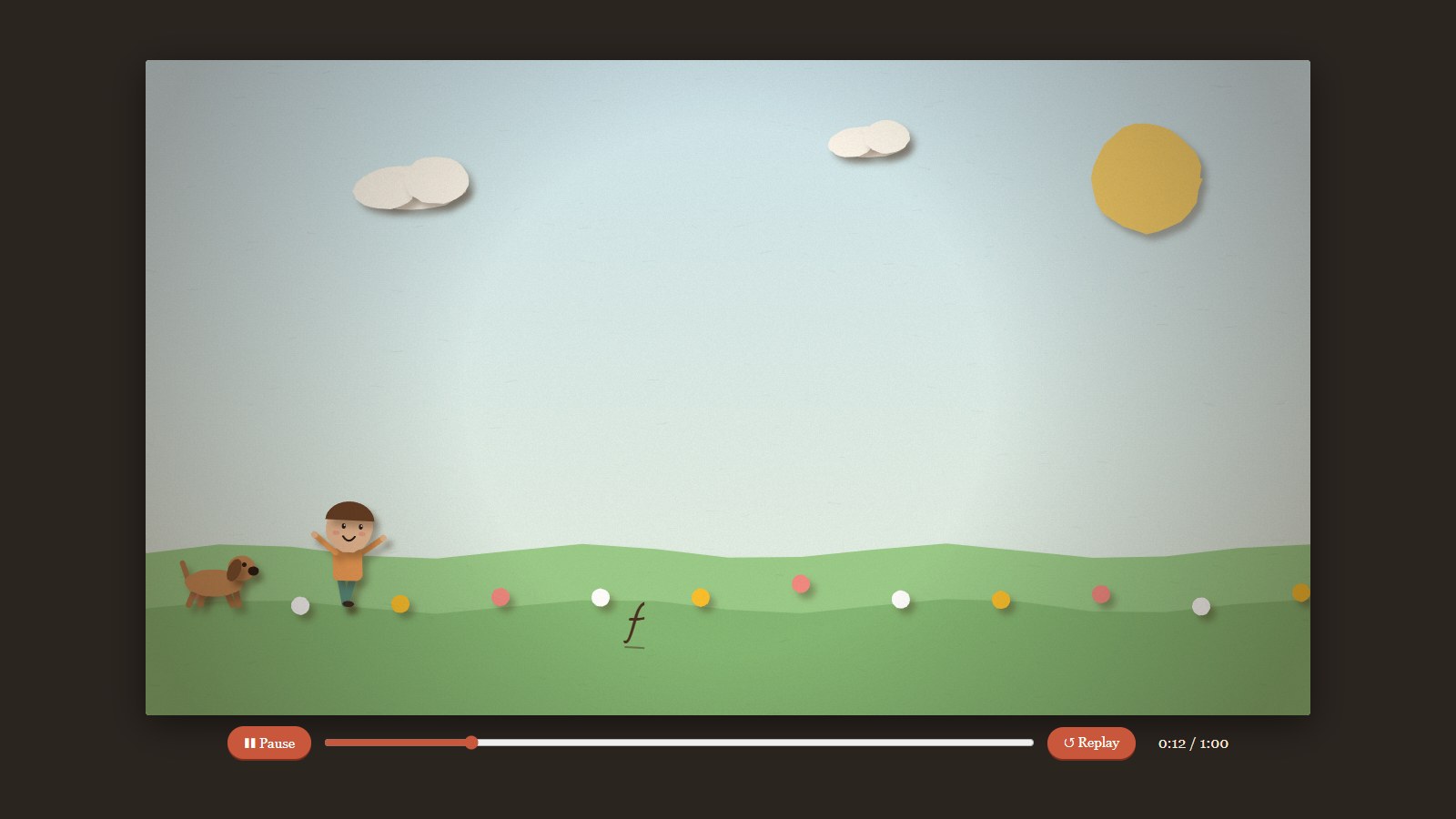
Opus 5.5, from the video-24 run. No edits.
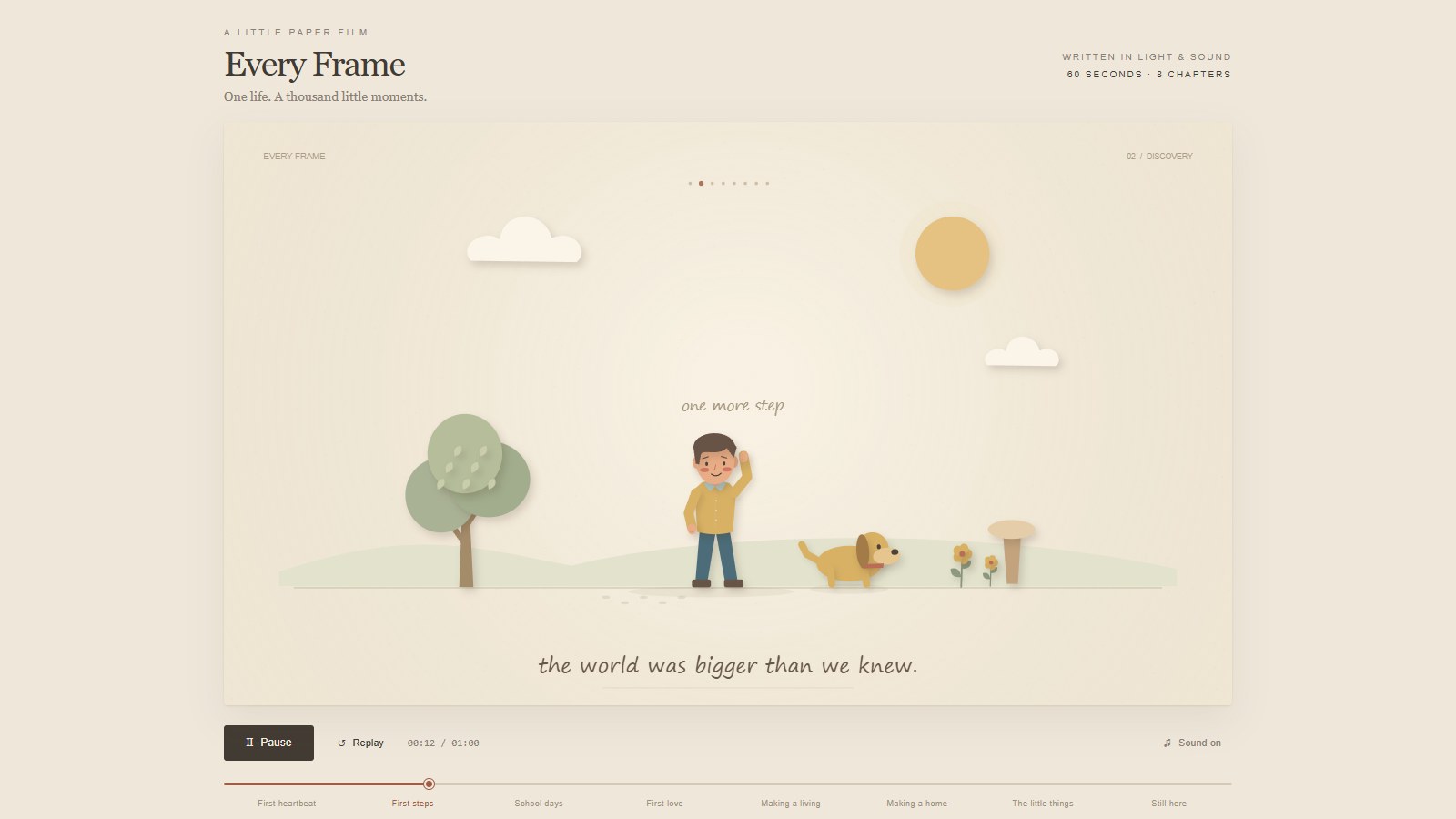
GPT-6.1 Sol, from the video-24 run. No edits.
A voxel castle school on a lake
Thousands of instanced blocks, a day and night cycle and a fly camera.
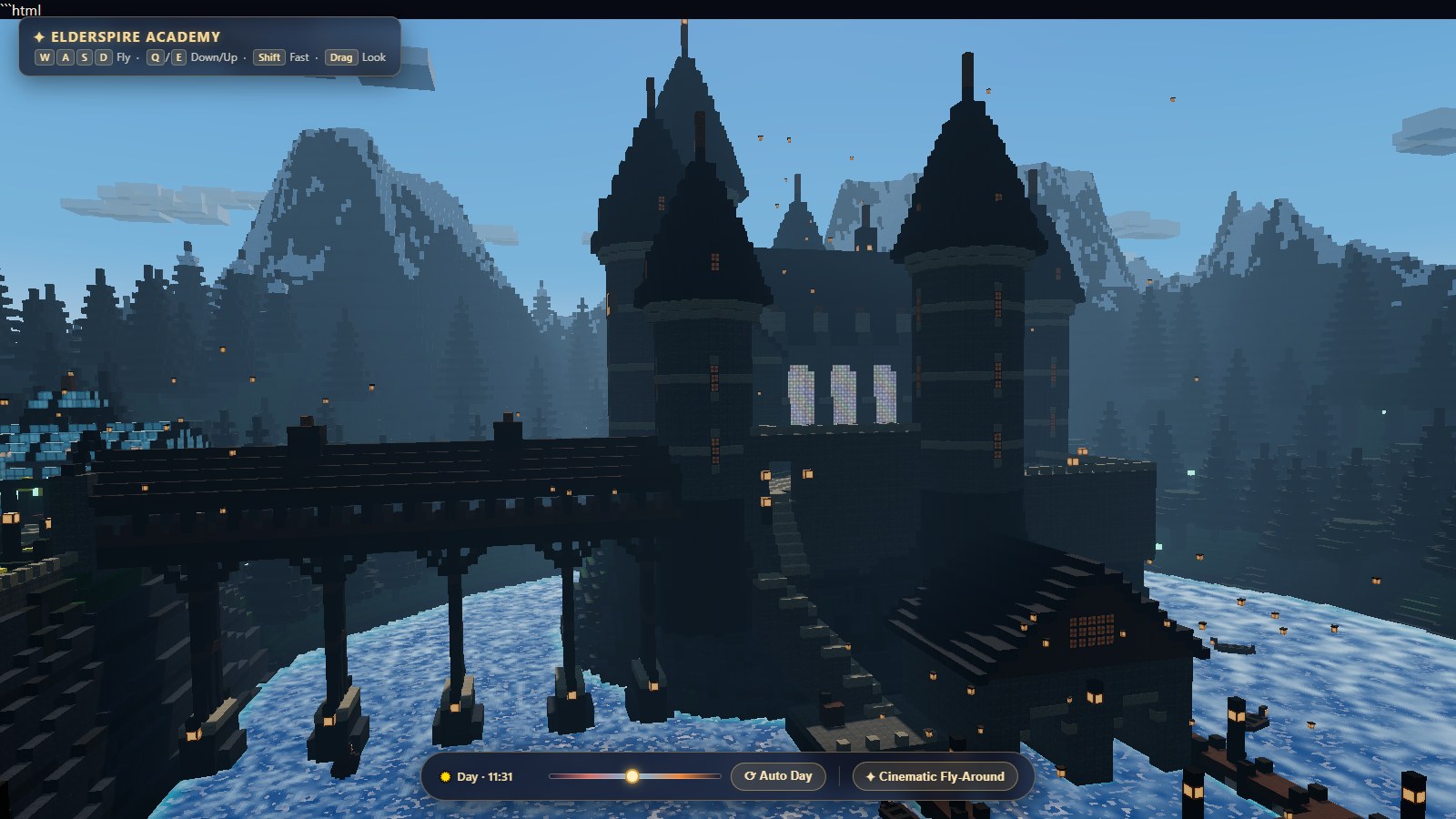
Towers on a lake under mountains, lanterns and stars. The hardest one to get: five requests dropped after about eleven minutes of thinking without writing a line; the sixth hit the 65,536-token cap and the seventh finished it. As written the castle meshes do not compile (a shader writes to a variable three.js does not declare); one marked line fixes it.
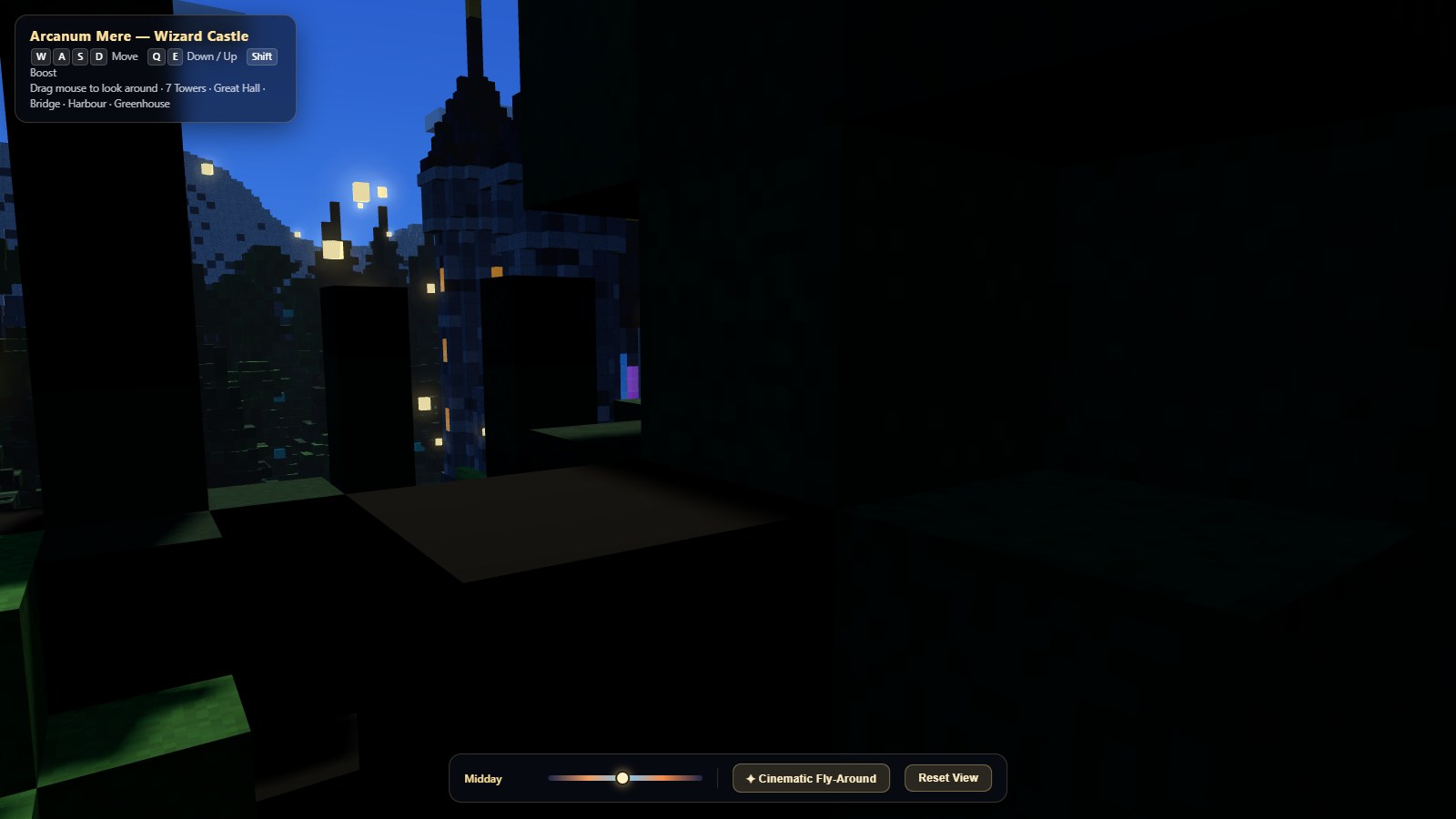
Gemini 4 Hydrogen (reasoning high), from the video-57 run. Opens at golden hour and very dark.
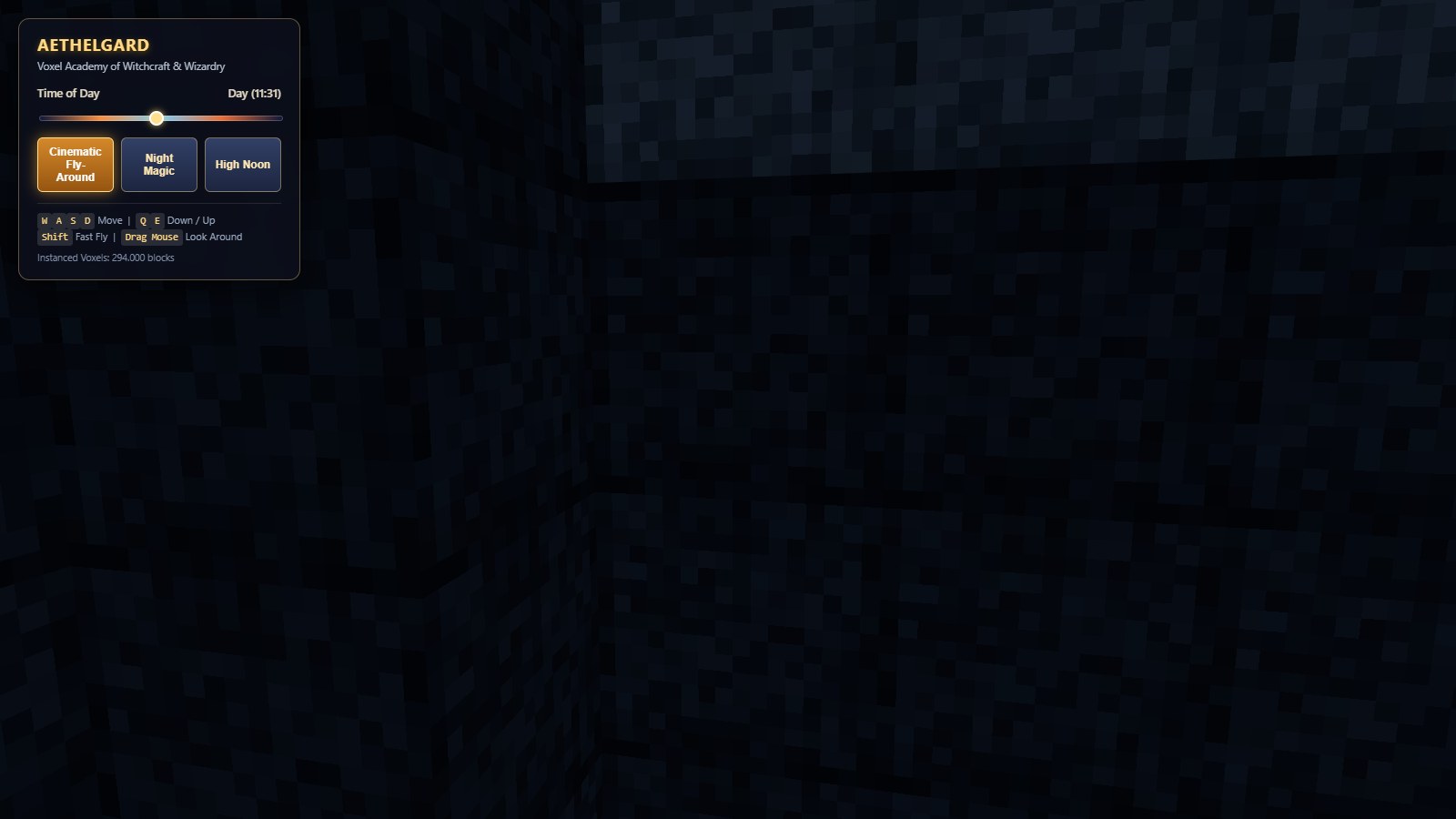
Gemini 4 Argon (reasoning low), from the video-27 run. One marked text edit.
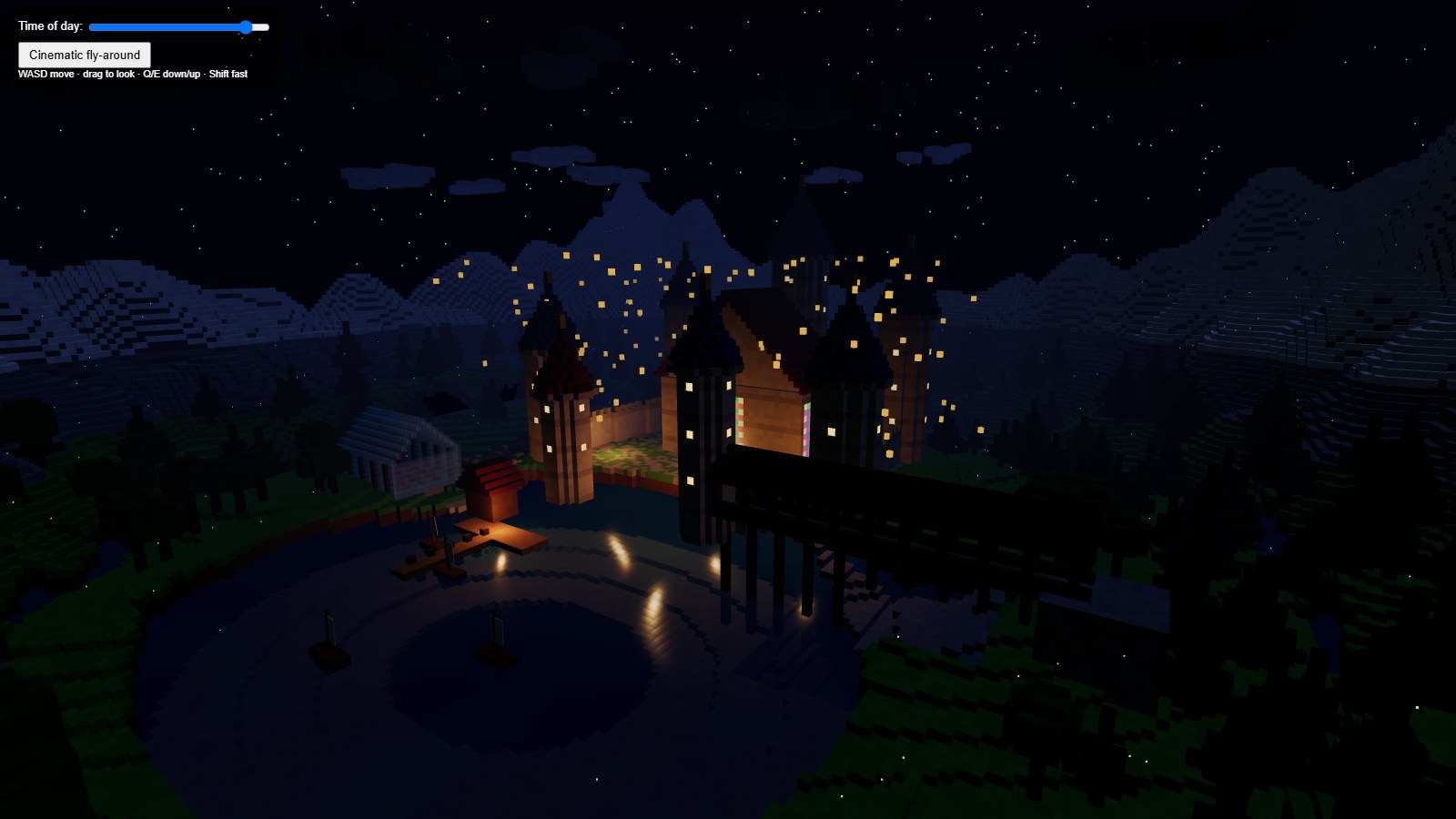
Opus 5.5, from the video-24 run. No edits.
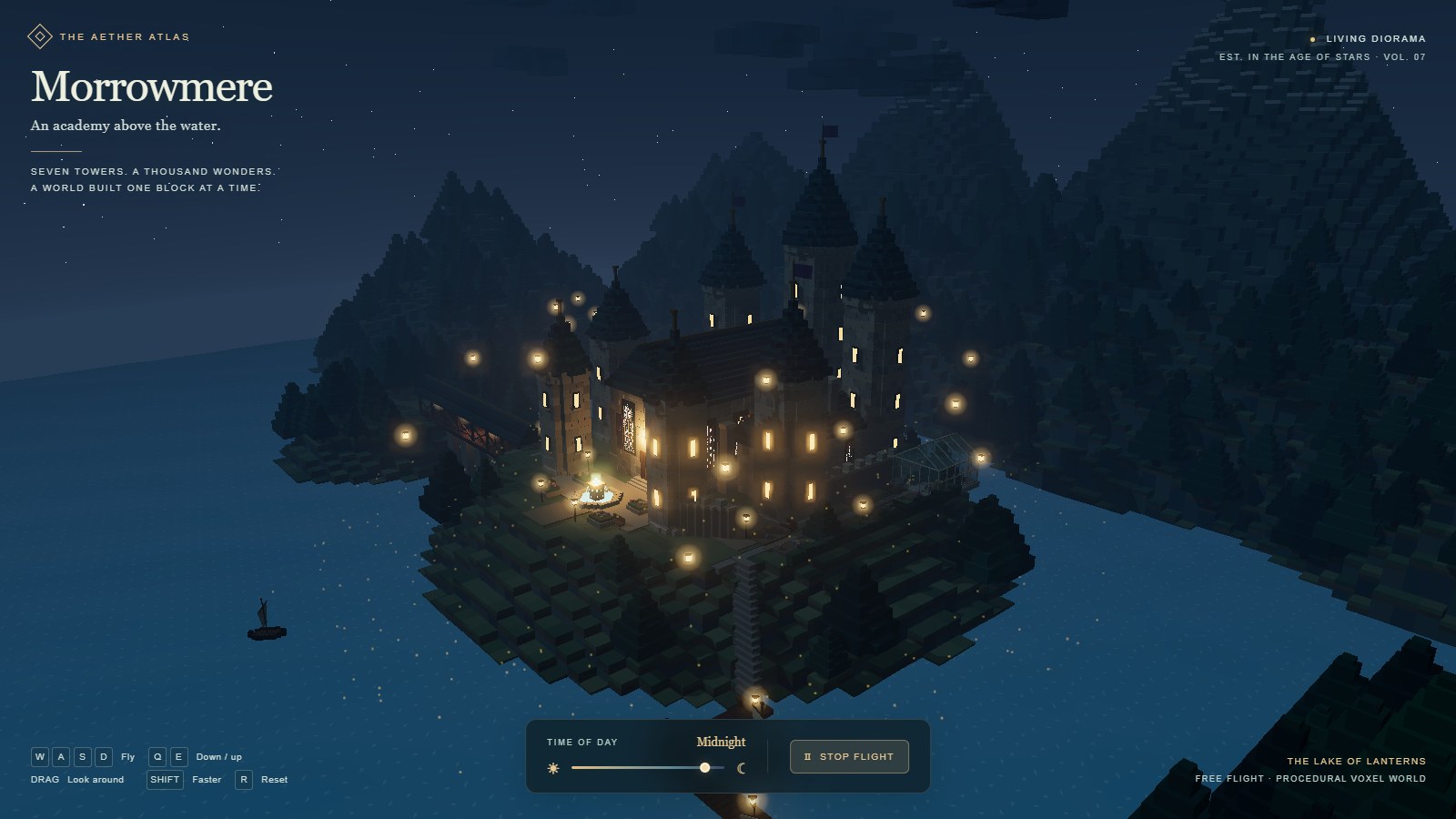
GPT-6.1 Sol, from the video-24 run. No edits.
A short film written in code
The Last Lighthouse: a storm, a sweeping beam, a boat fighting for the harbour, dawn. Sound is synthesised too.
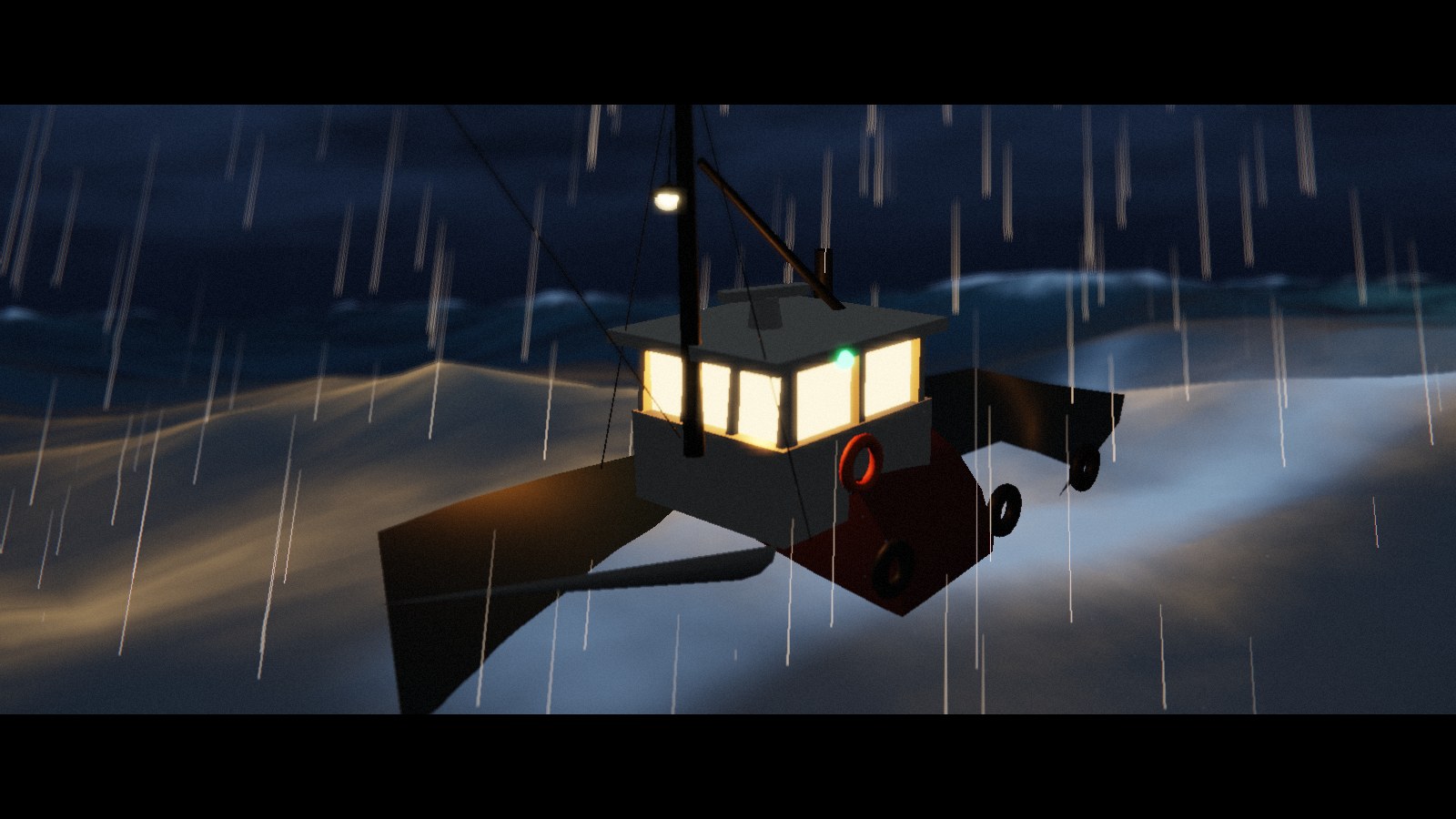
Storm, a trawler in heavy seas, the beam, and a golden dawn over a calm sea. Written in two parts (route cap at 65,536 tokens); the second part continued cleanly. No edits.
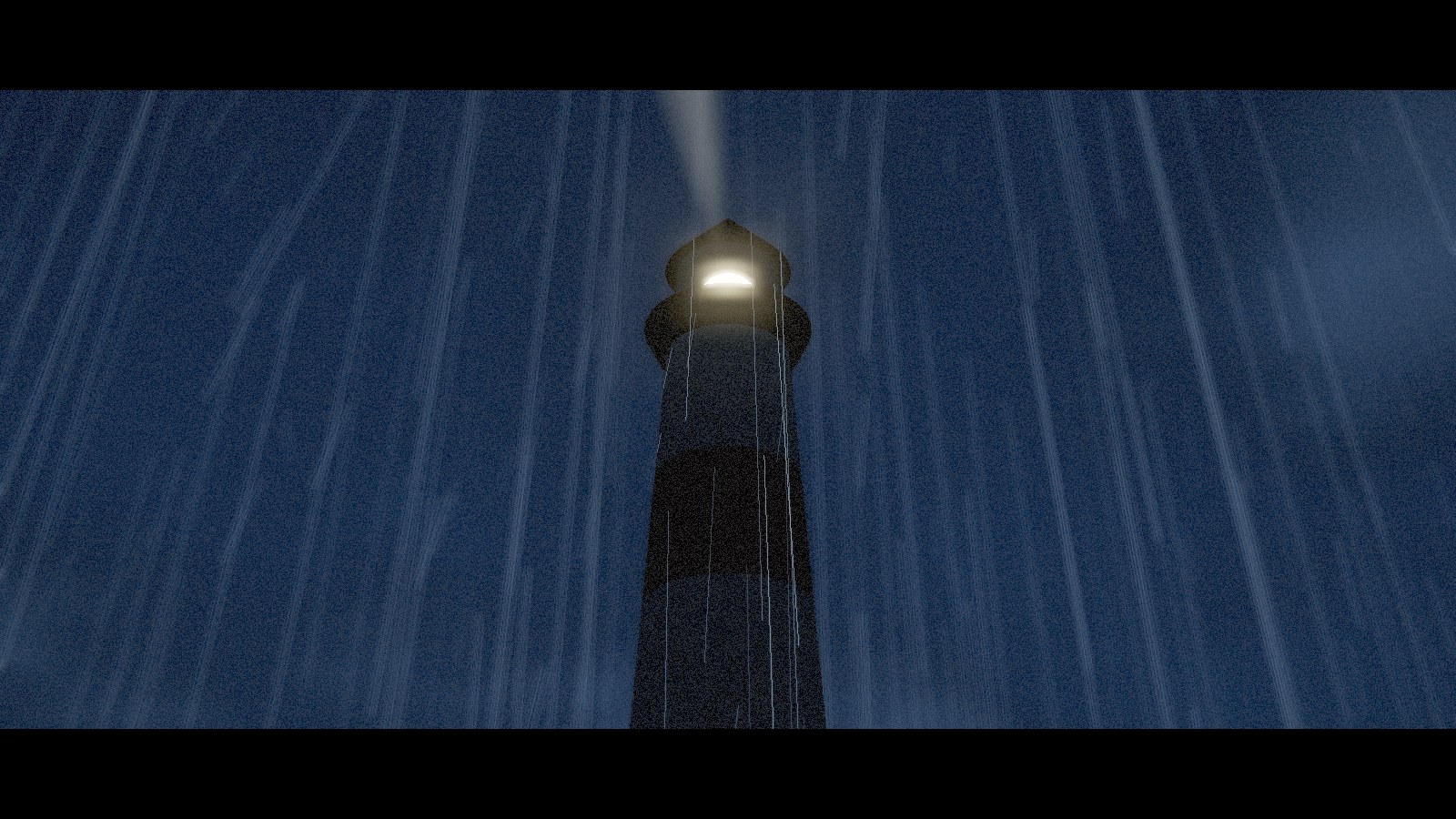
Gemini 4 Hydrogen (reasoning high), from the video-57 run. One marked line added (black picture without it).
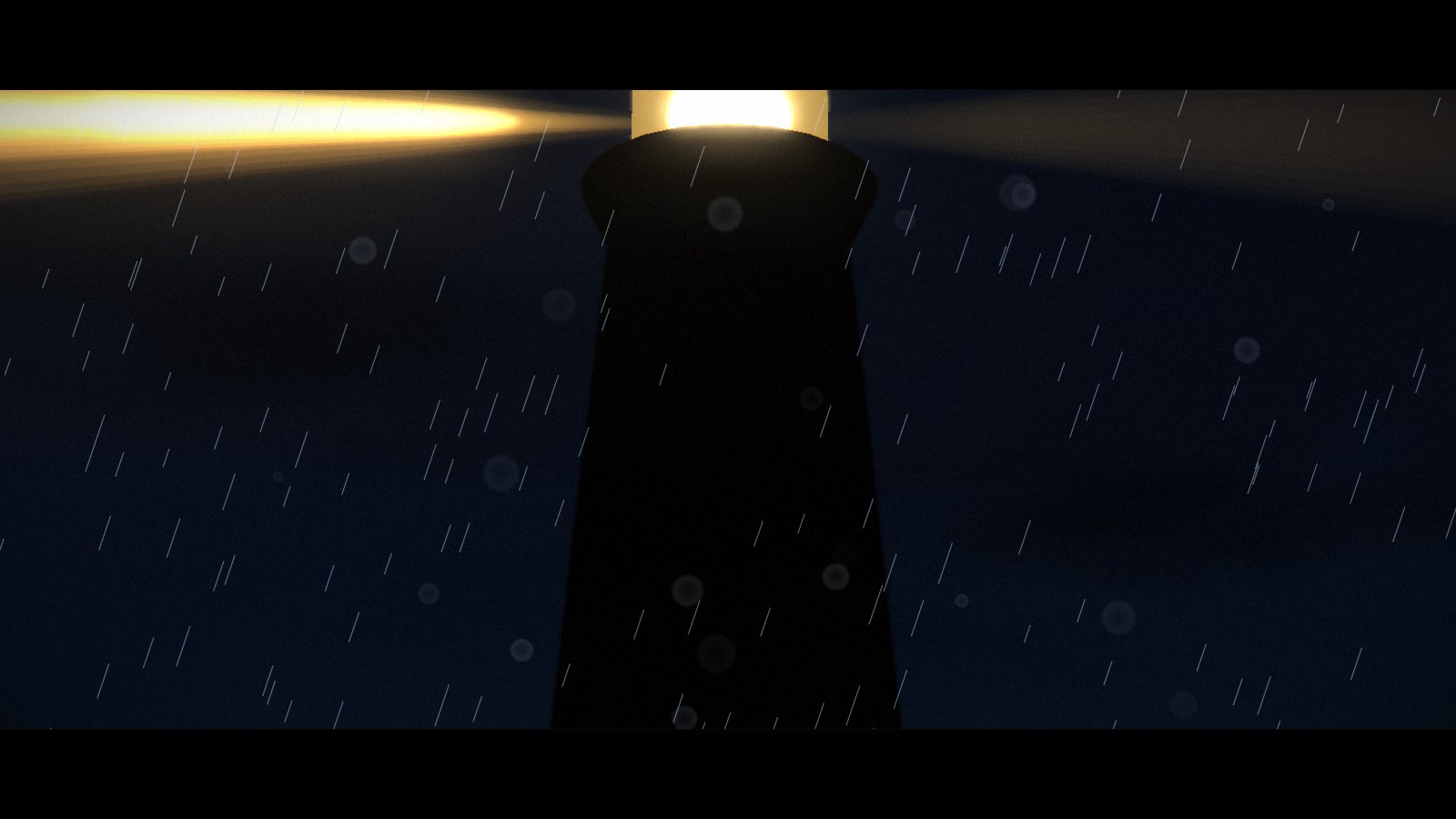
Gemini 4 Argon (reasoning low), from the video-27 run. One marked fix.
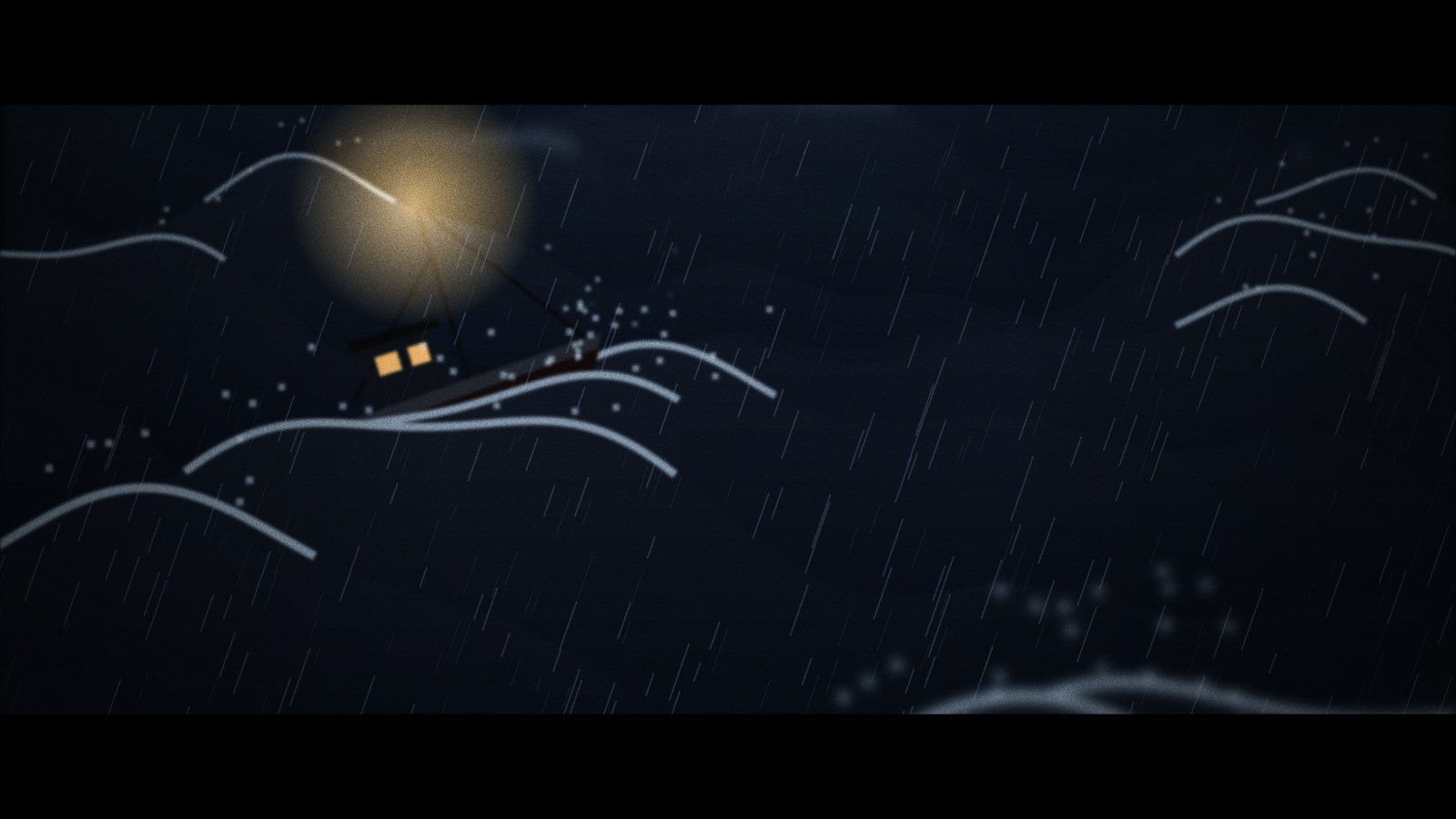
Opus 5.5, from the video-24 run. One marked fix.
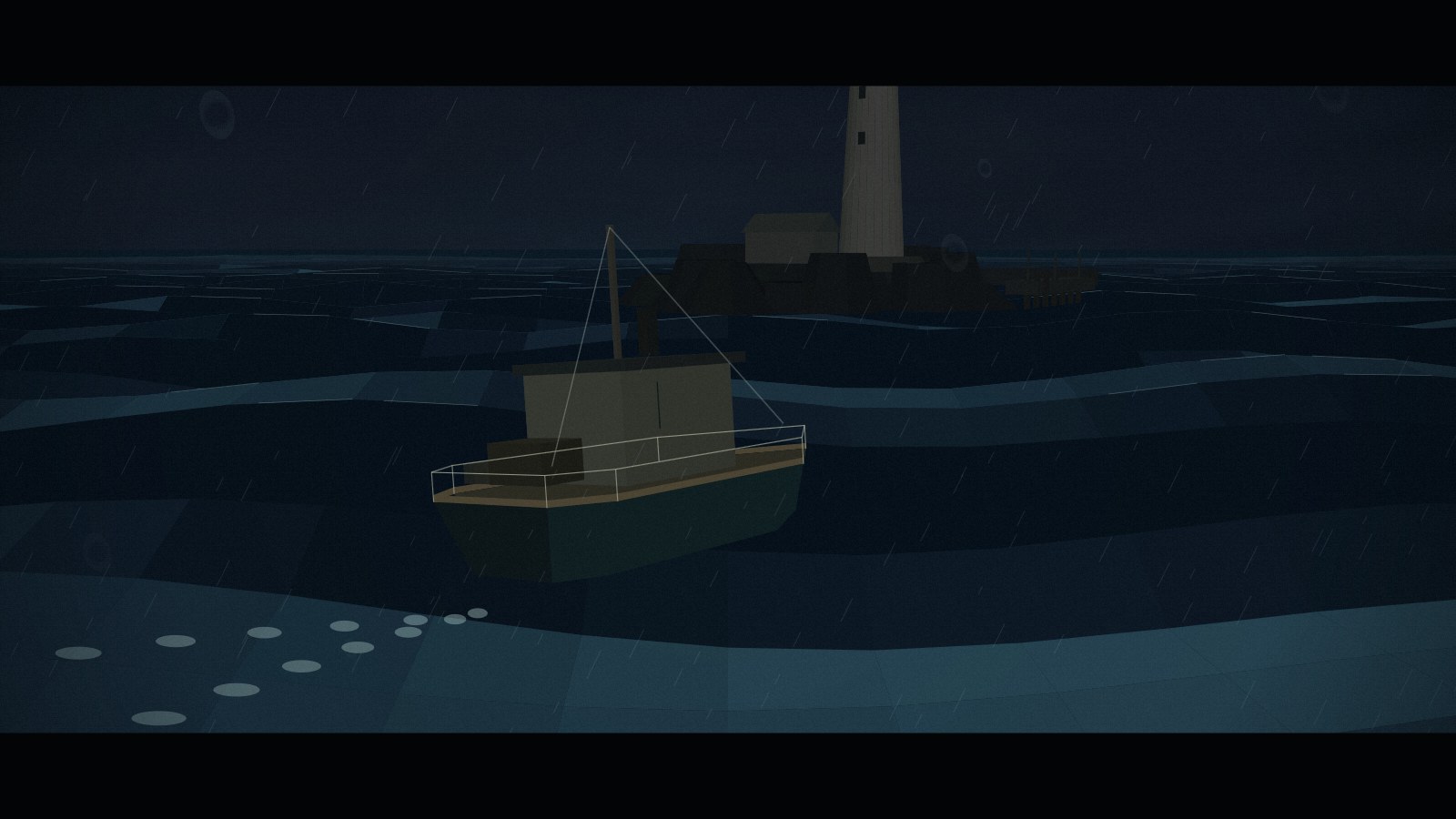
GPT-6.1 Sol, from the video-24 run. No edits.
A 3D car showroom
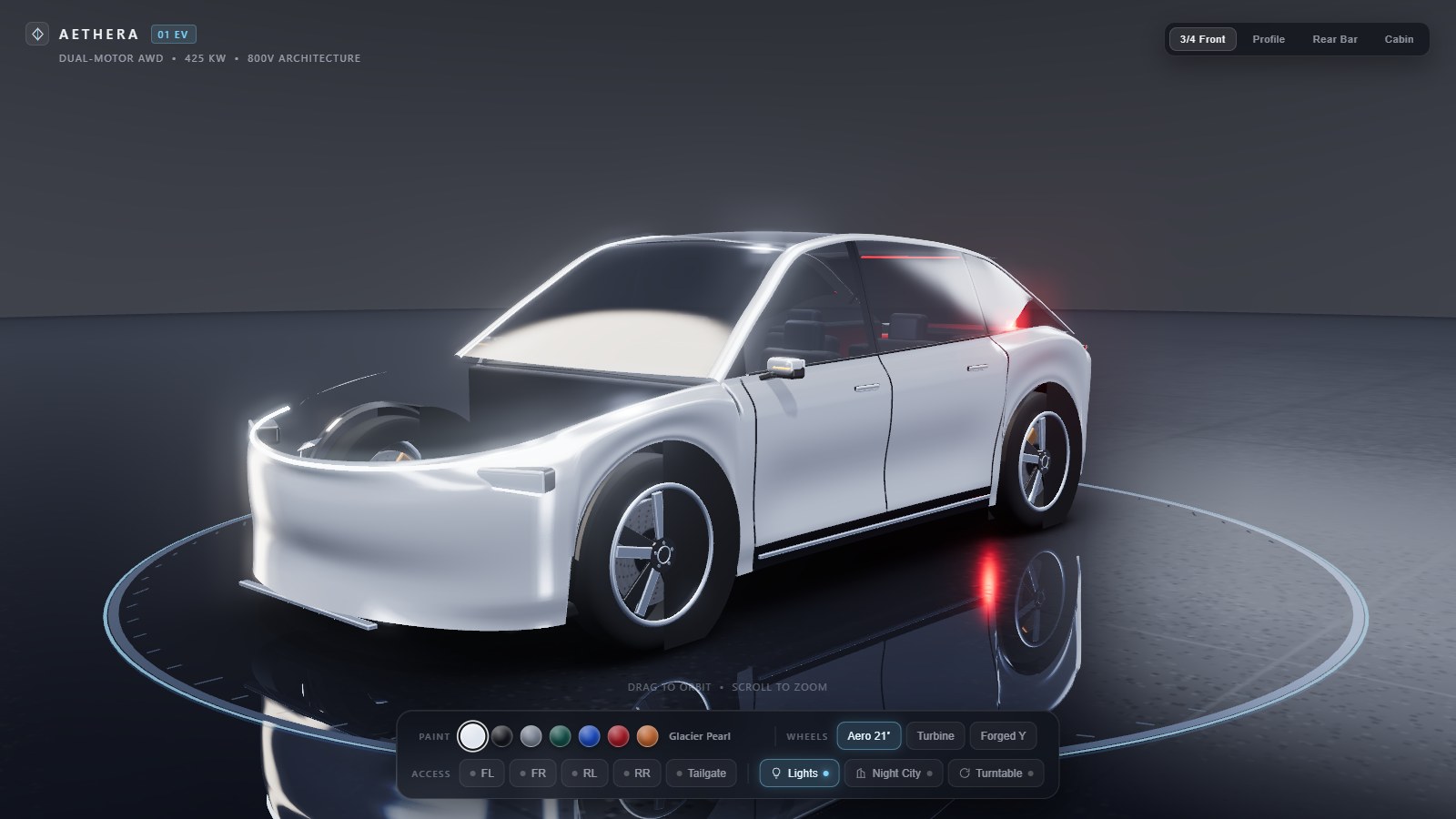
An original electric crossover modelled entirely in code: paint, doors, lights, wheels, a night city.
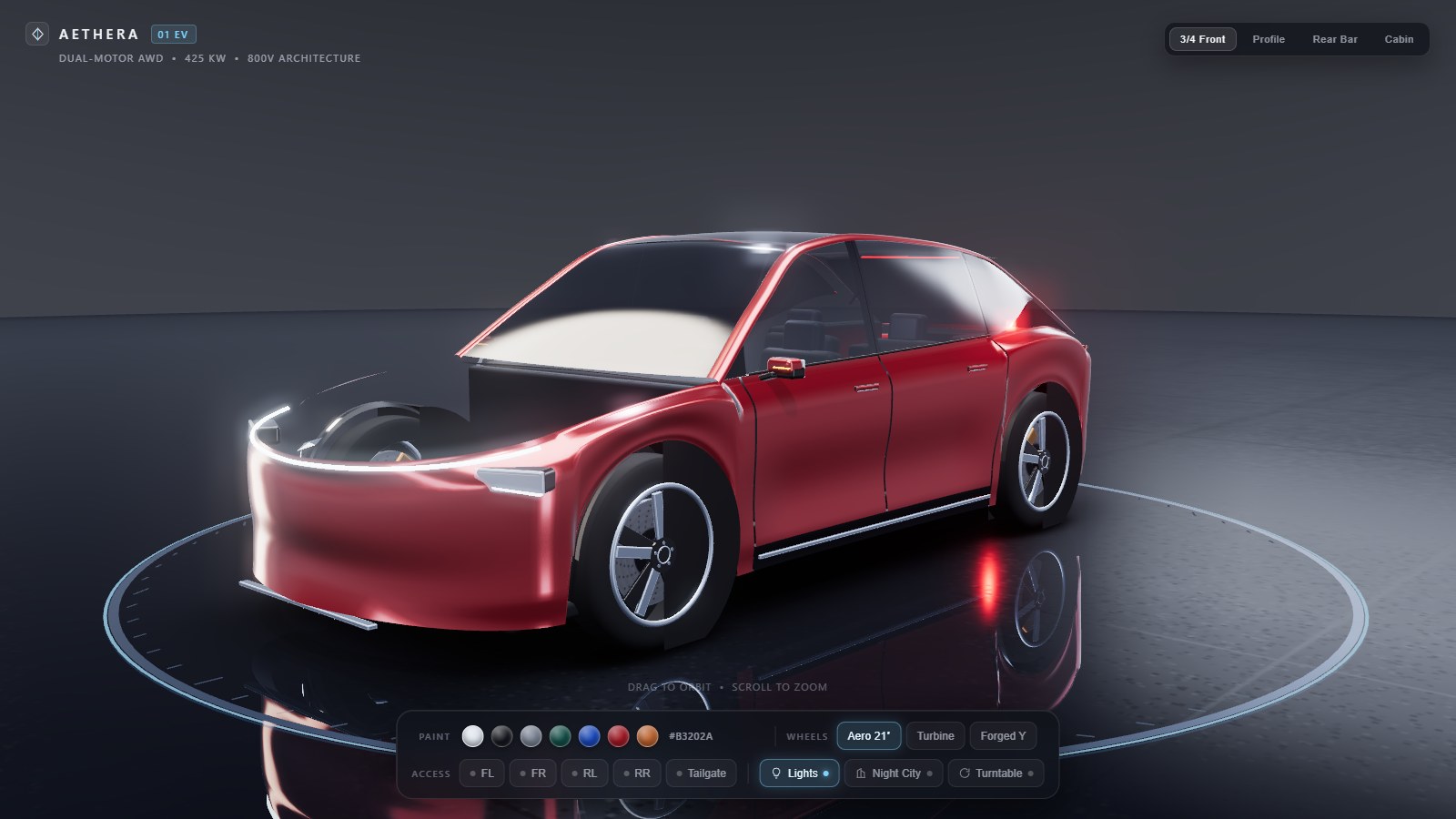
The most car-like of the Gemini builds: sculpted body, light bar, opening doors and tailgate, turntable. Written in two parts; in the second part the model closed its unfinished script and wrote the whole script again. The page already runs as written (the unfinished first copy only throws an error); this copy removes it, marked in the file.
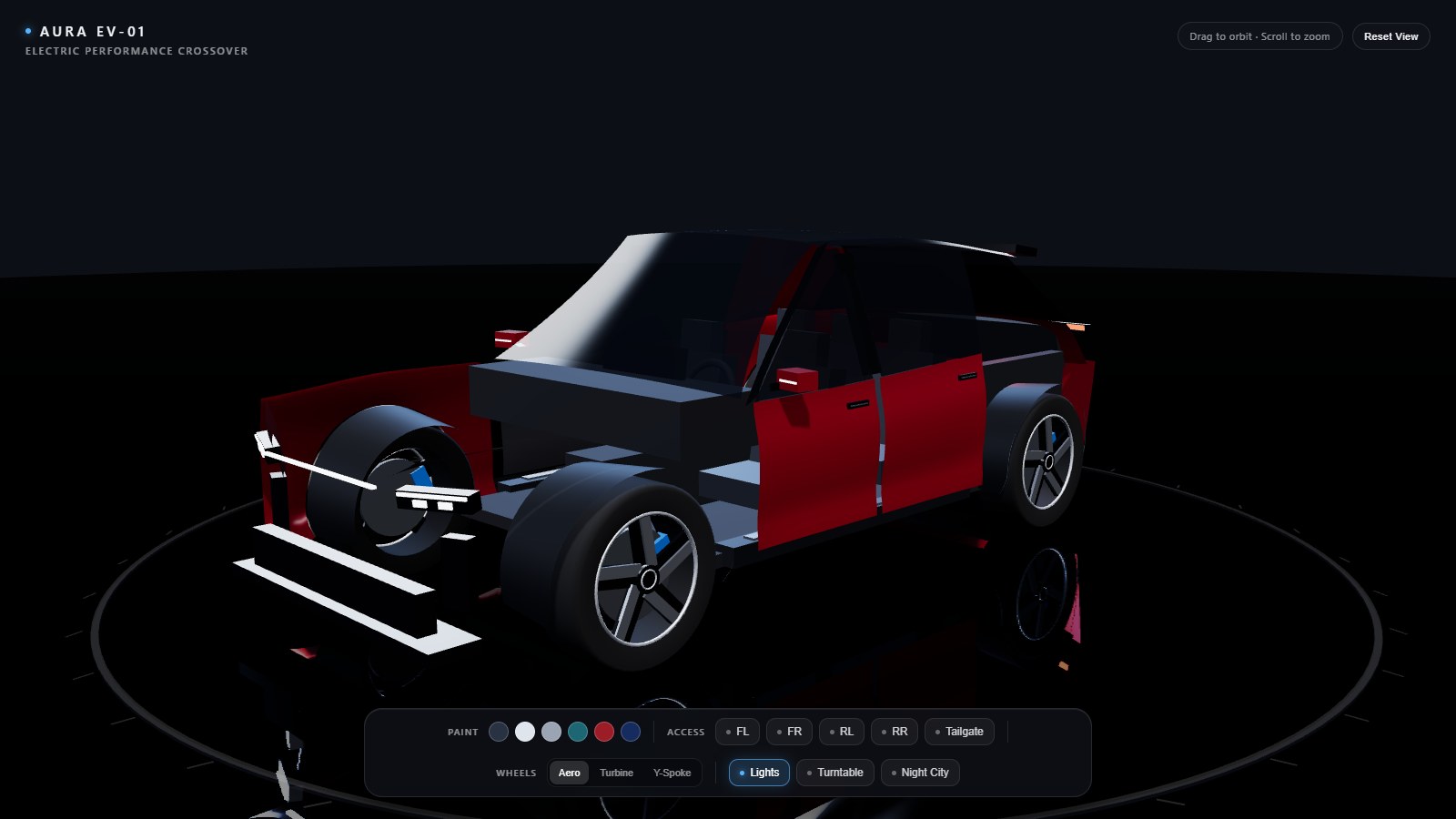
Gemini 4 Hydrogen (reasoning high), from the video-57 run. No edits; the body panels do not fit together.
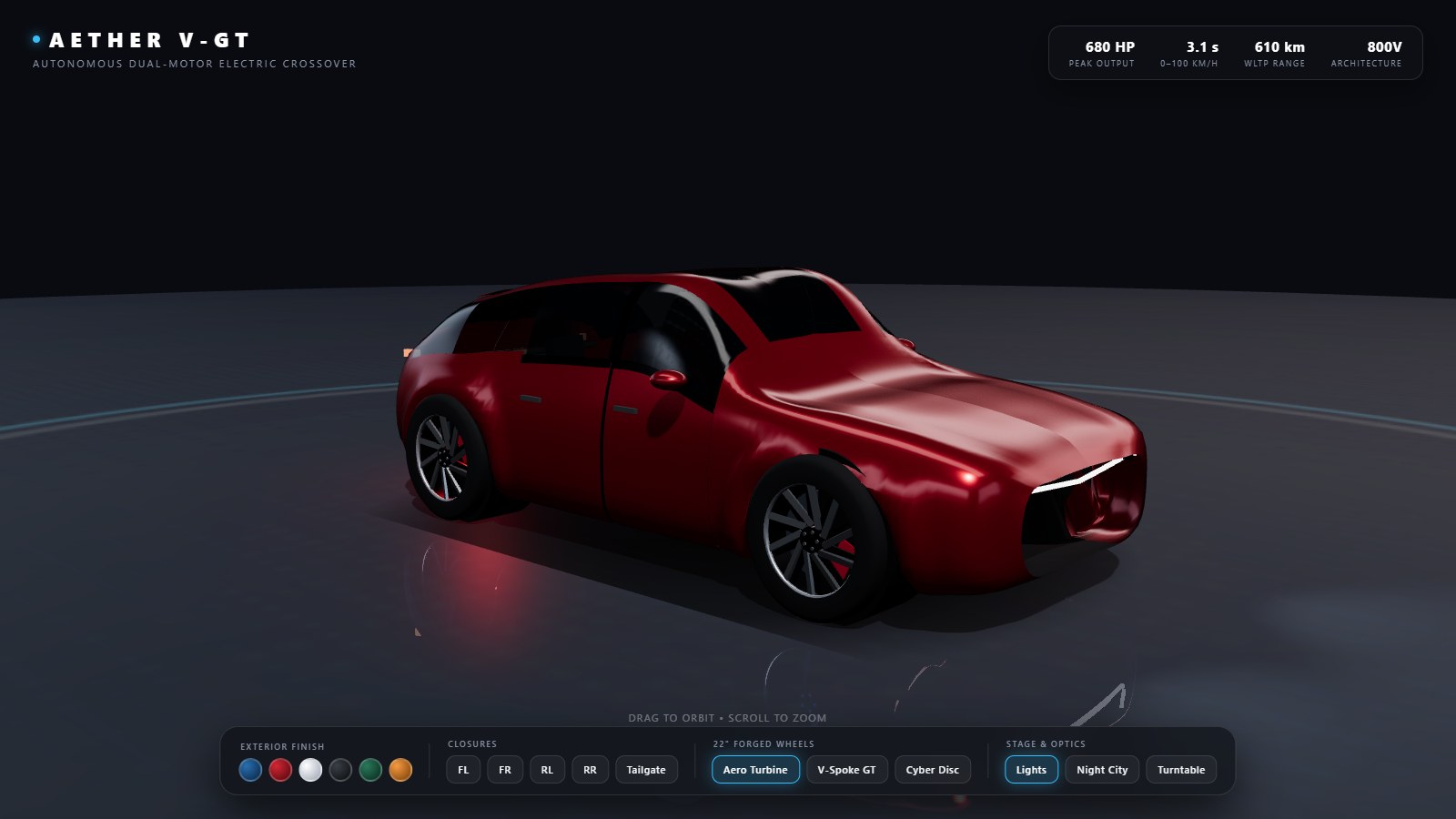
Gemini 4 Argon (reasoning low), from the video-27 run. No edits.
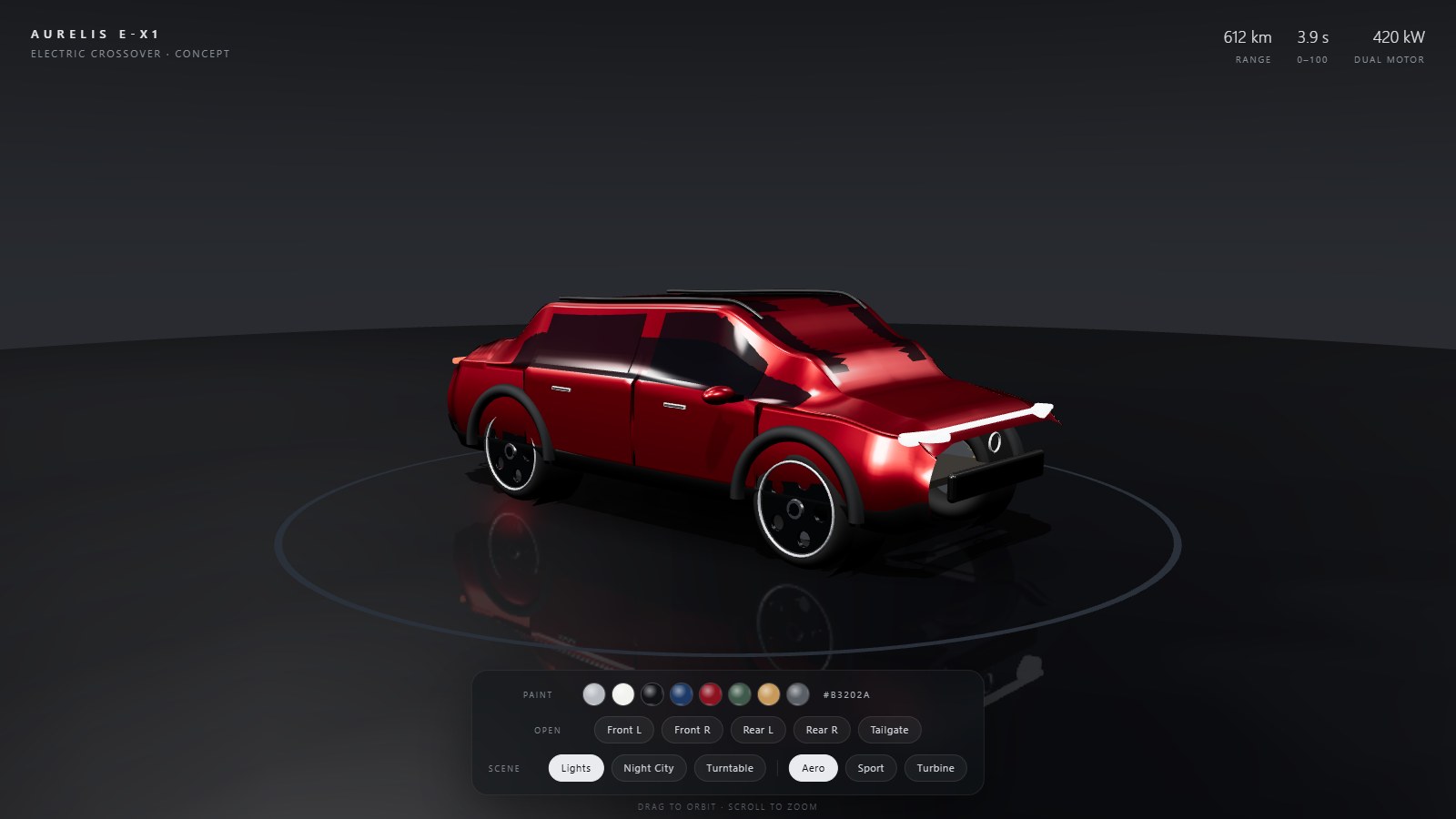
Opus 5.5, from the video-24 run. No edits.
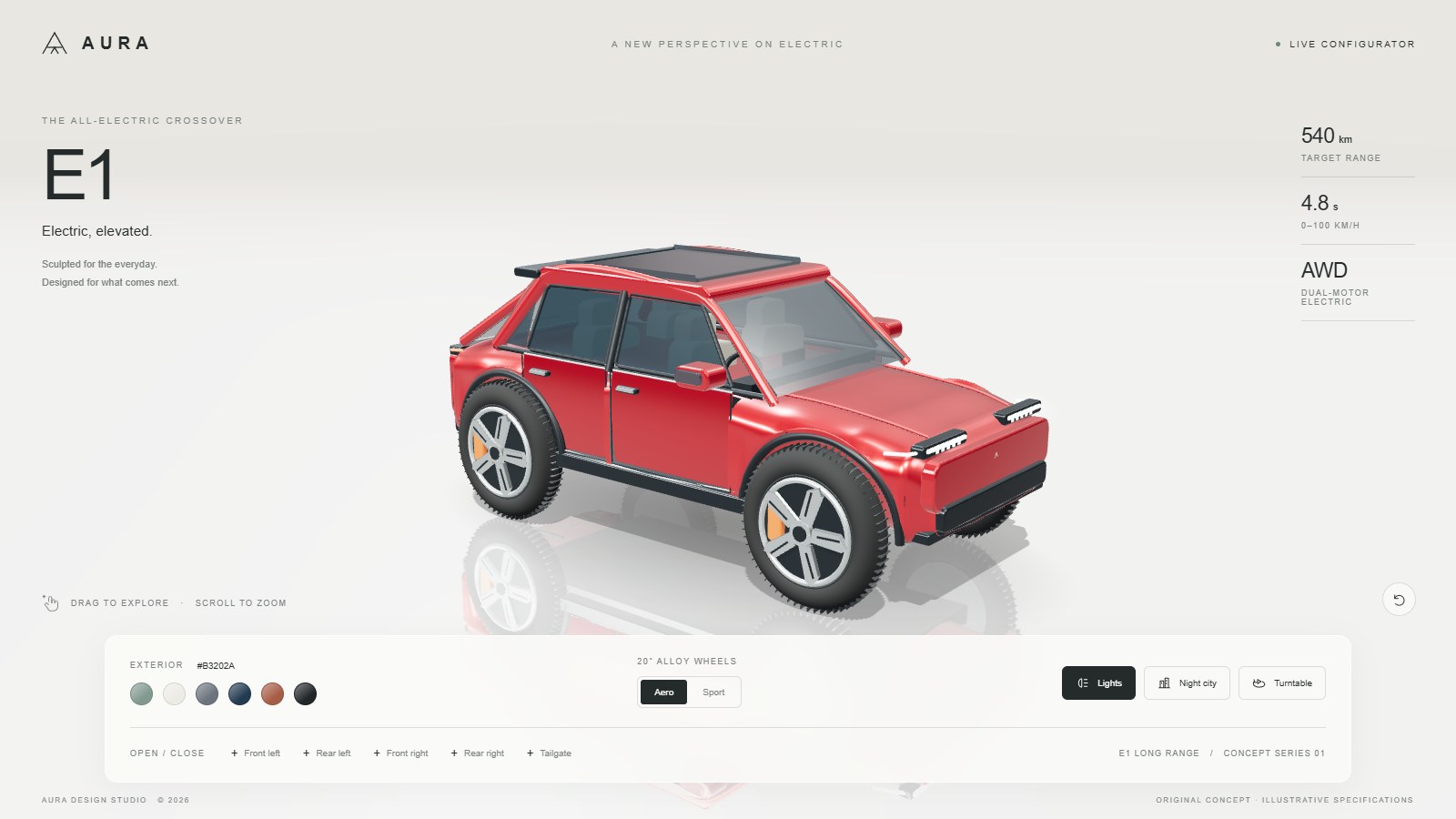
GPT-6.1 Sol, from the video-24 run. No edits.
A sunset coast drive
A stylised driving game with a convertible, traffic, a speedometer and engine sound.
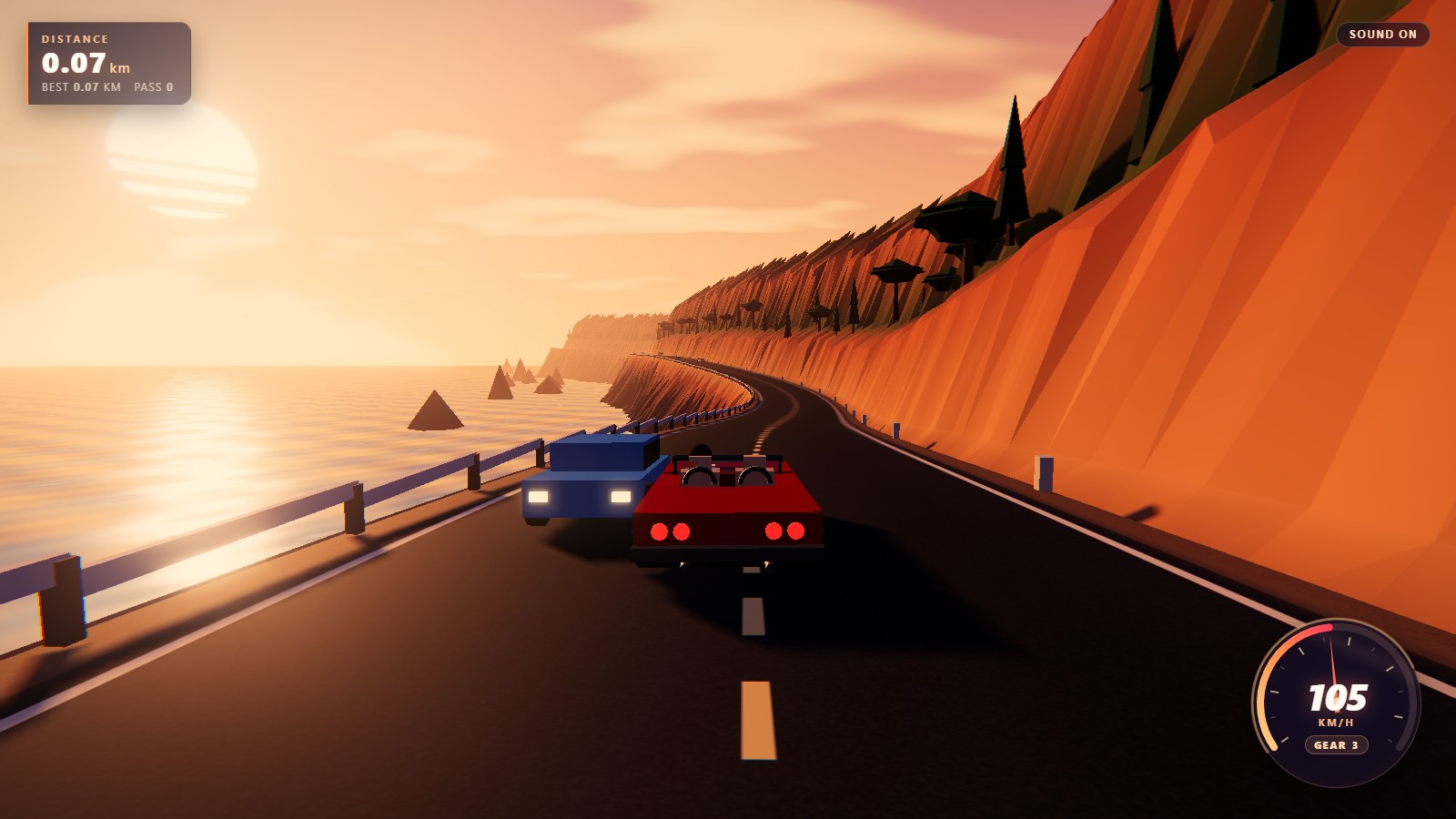
A red convertible on a cliff road at sunset, gears, a speedometer and a Wrecked screen. Written in two parts (route cap); the second part continued cleanly. No edits.
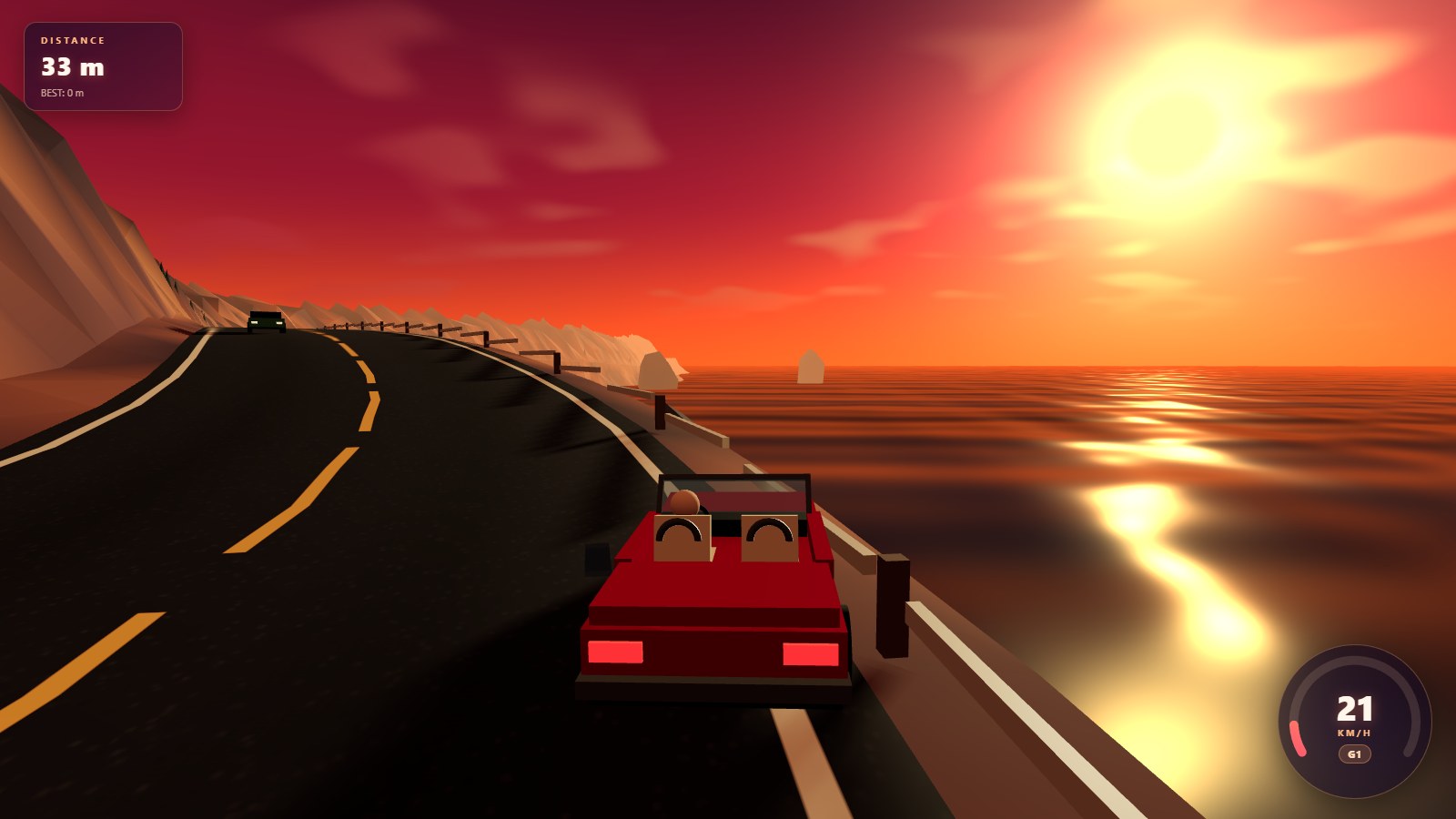
Gemini 4 Hydrogen (reasoning high), from the video-57 run. No edits.
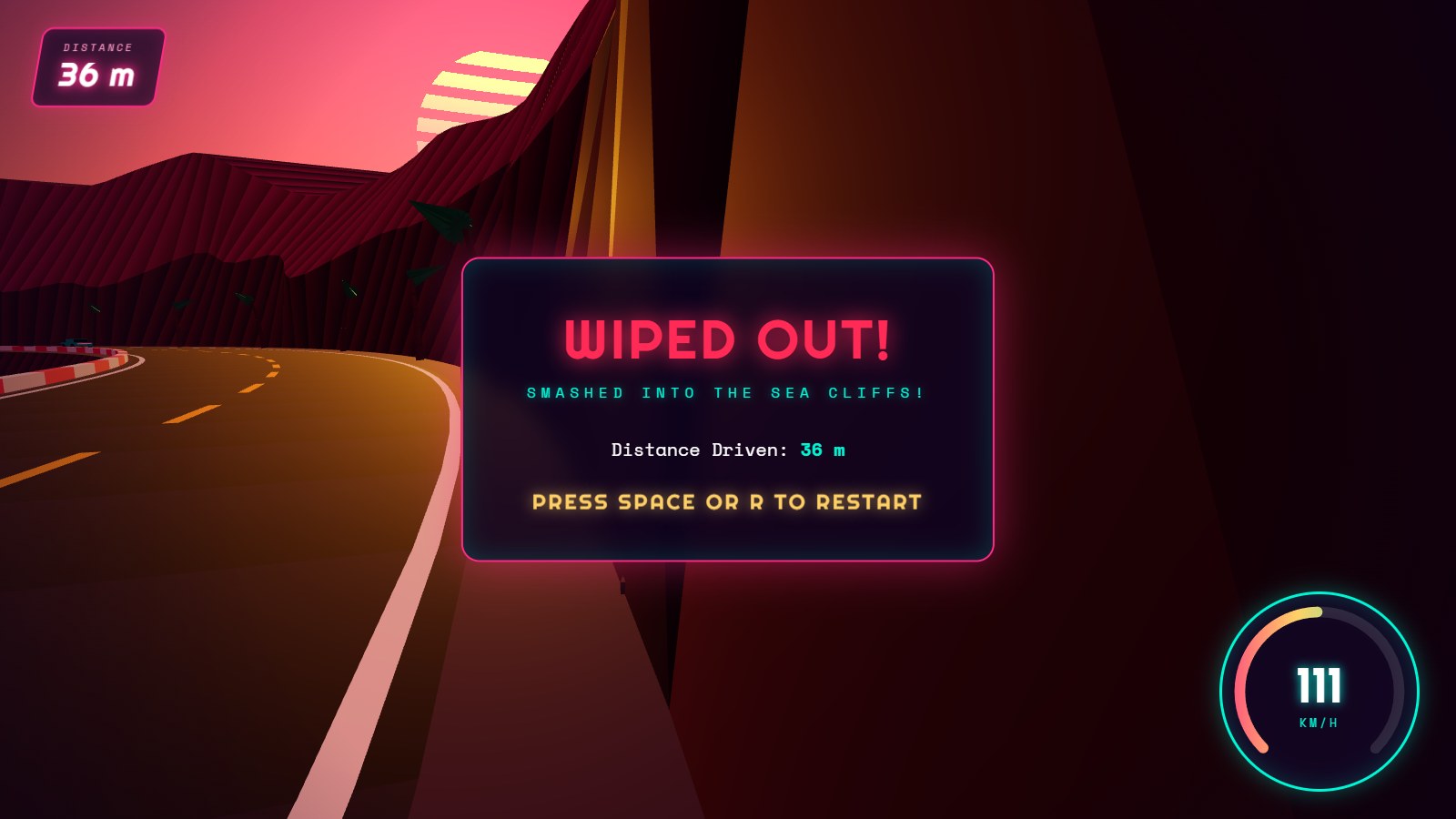
Gemini 4 Argon (reasoning low), from the video-27 run. No edits.
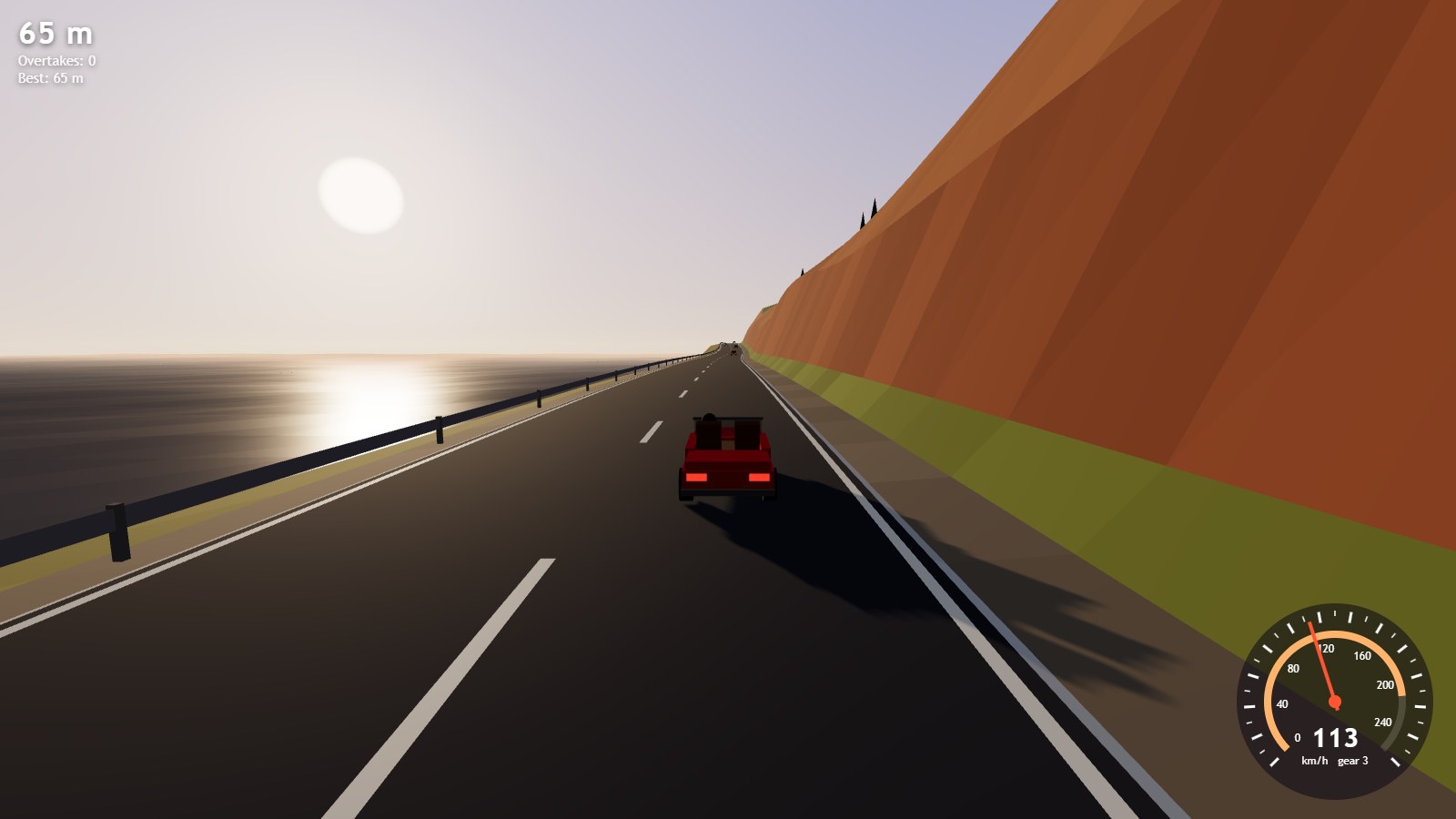
Opus 5.5, from the video-24 run. One marked fix.
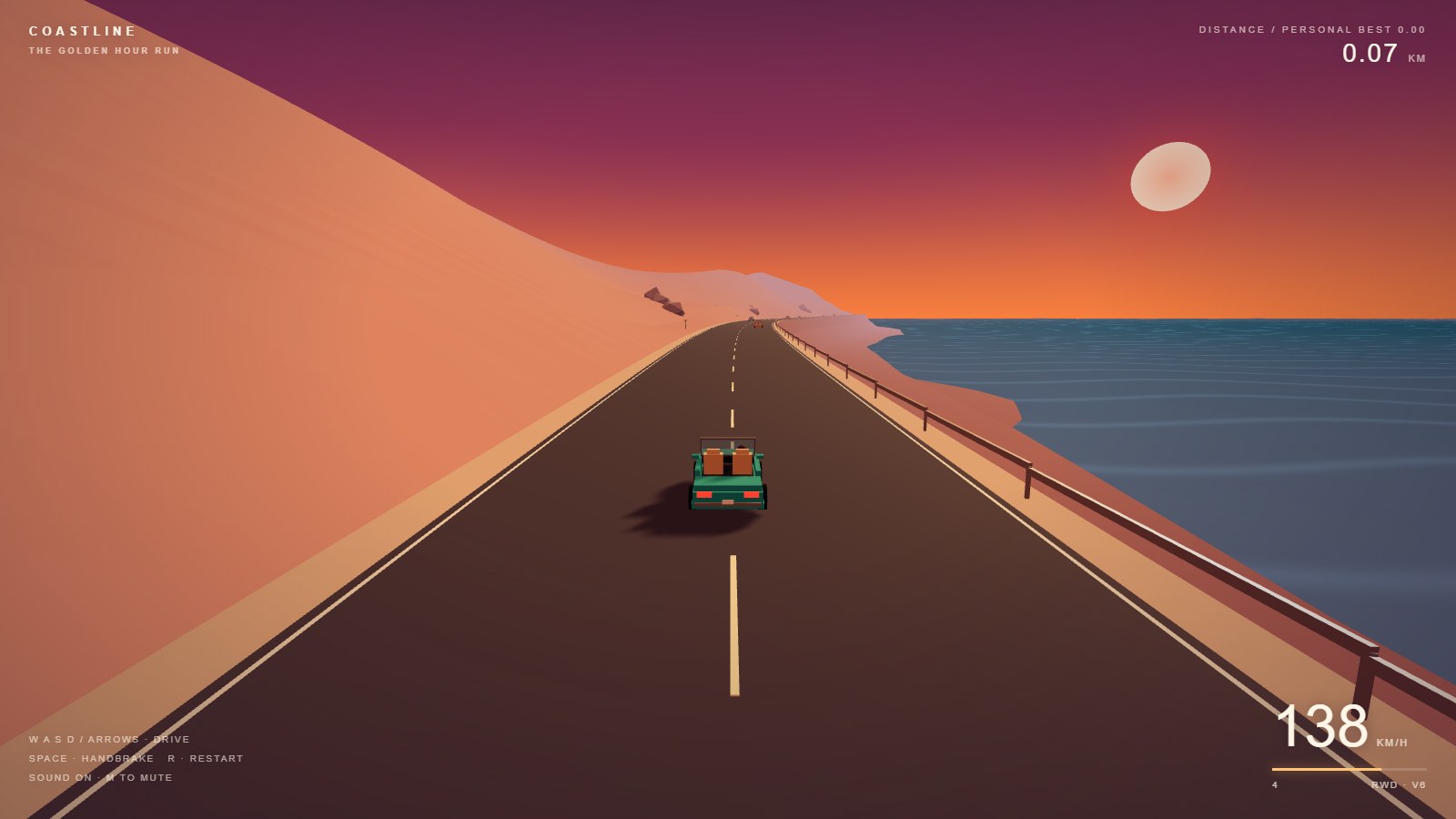
GPT-6.1 Sol, from the video-24 run. No edits.
A music studio in the browser
A step sequencer, synths, drums, effects and a button that composes a song.
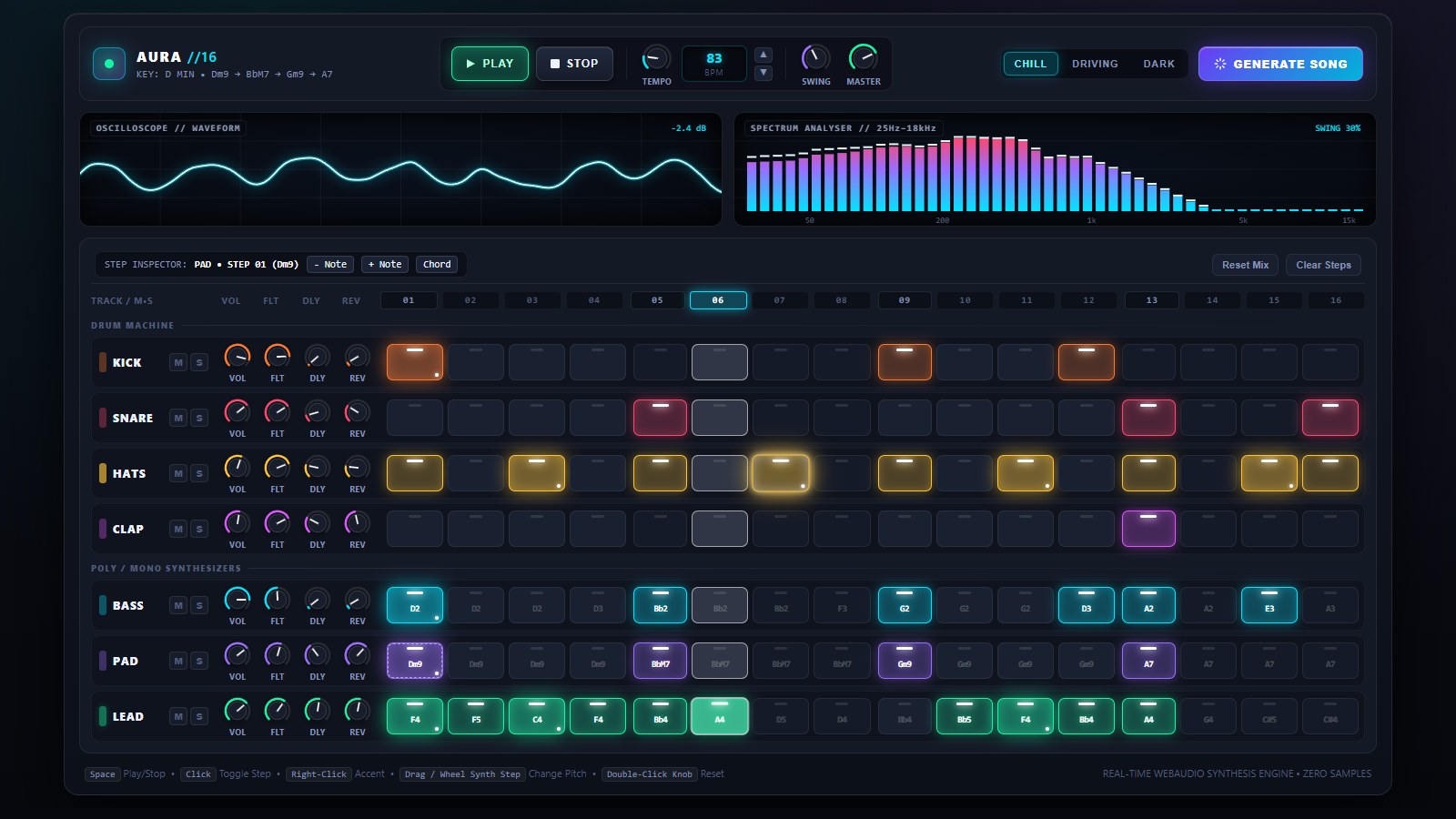
Seven tracks with knobs, oscilloscope and spectrum, three moods and Generate song. The only Carbon build that fit in one answer. No edits.
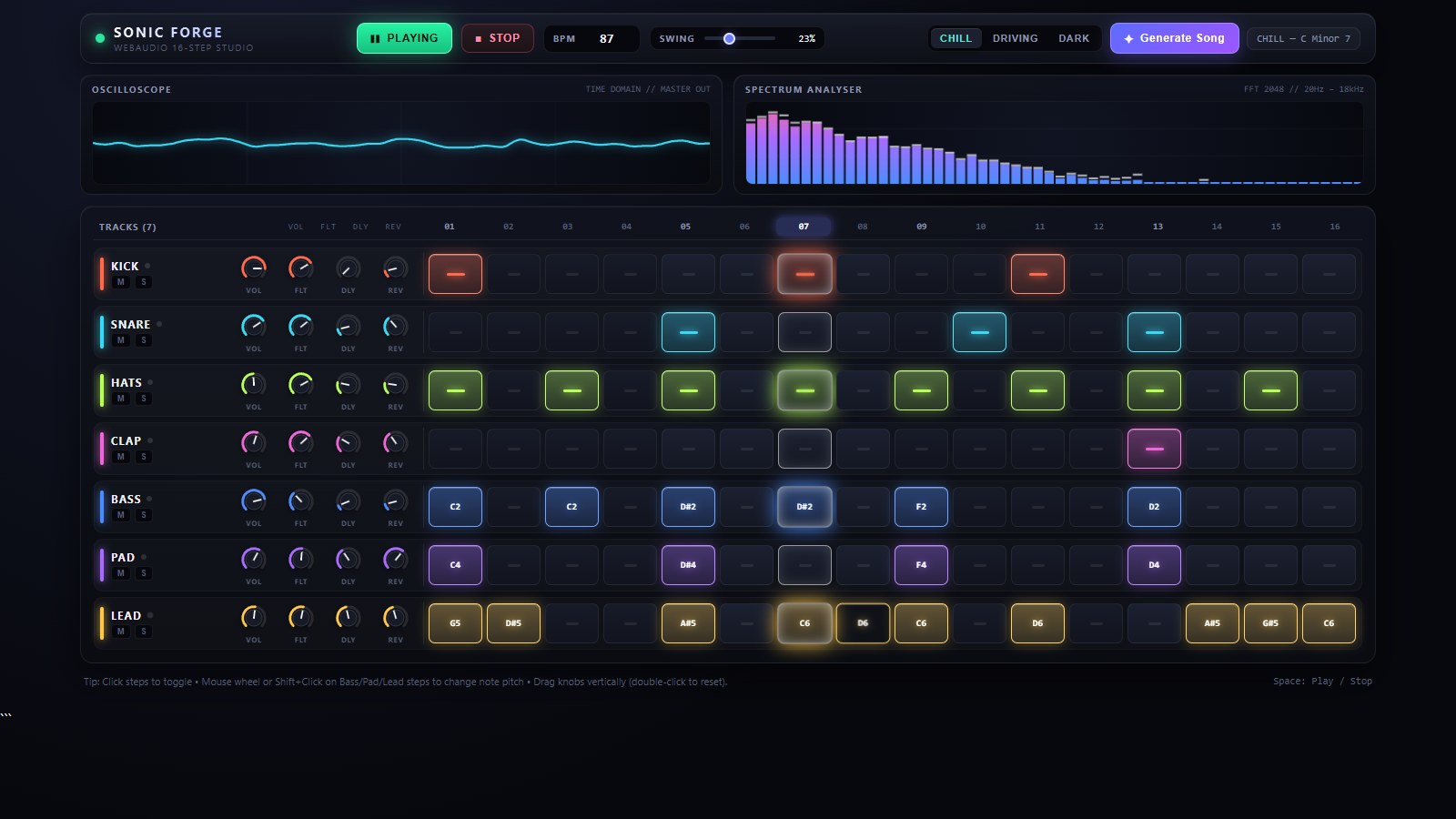
Gemini 4 Hydrogen (reasoning high), from the video-57 run. No edits.
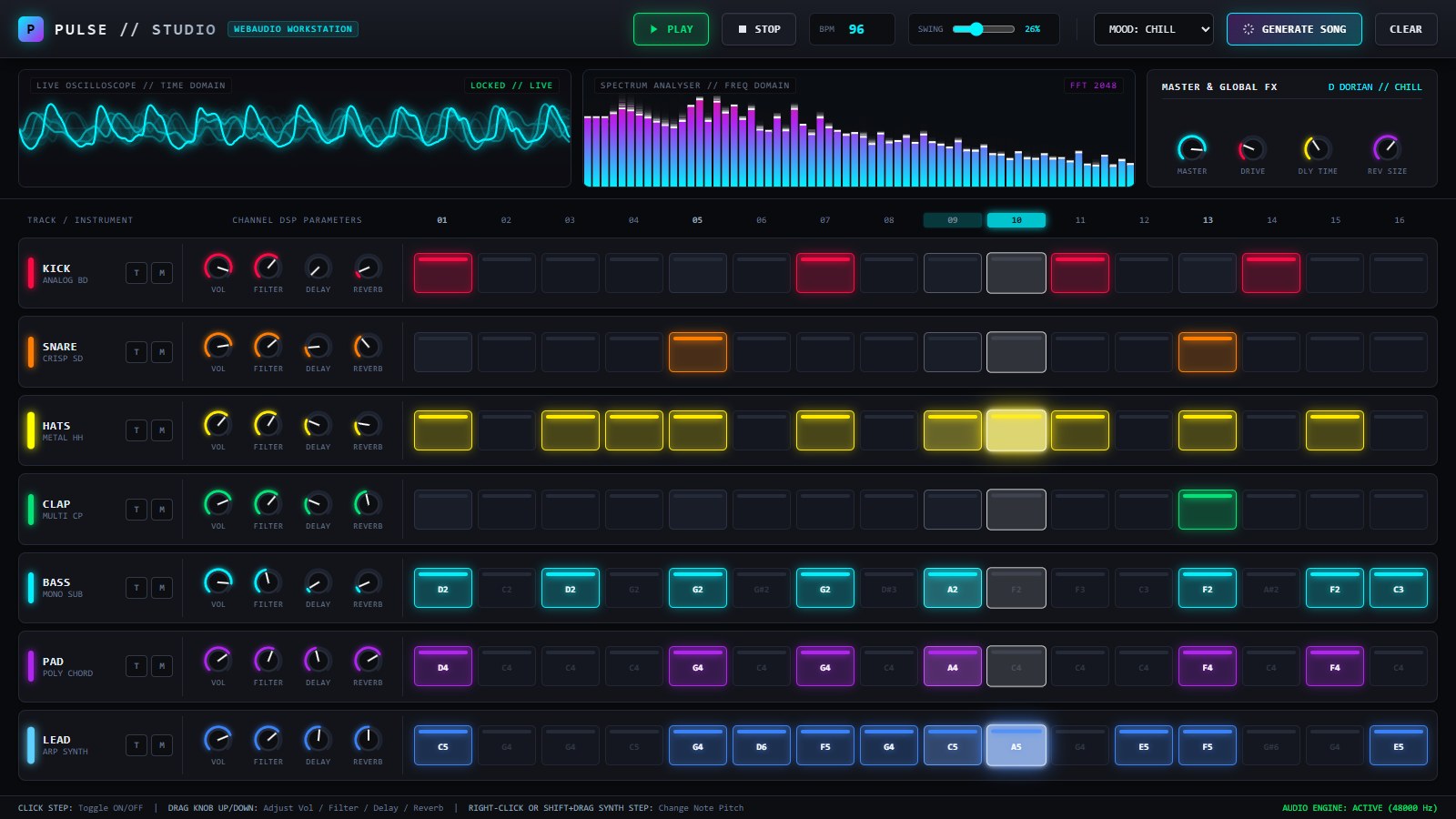
Gemini 4 Argon (reasoning low), from the video-27 run. No edits.
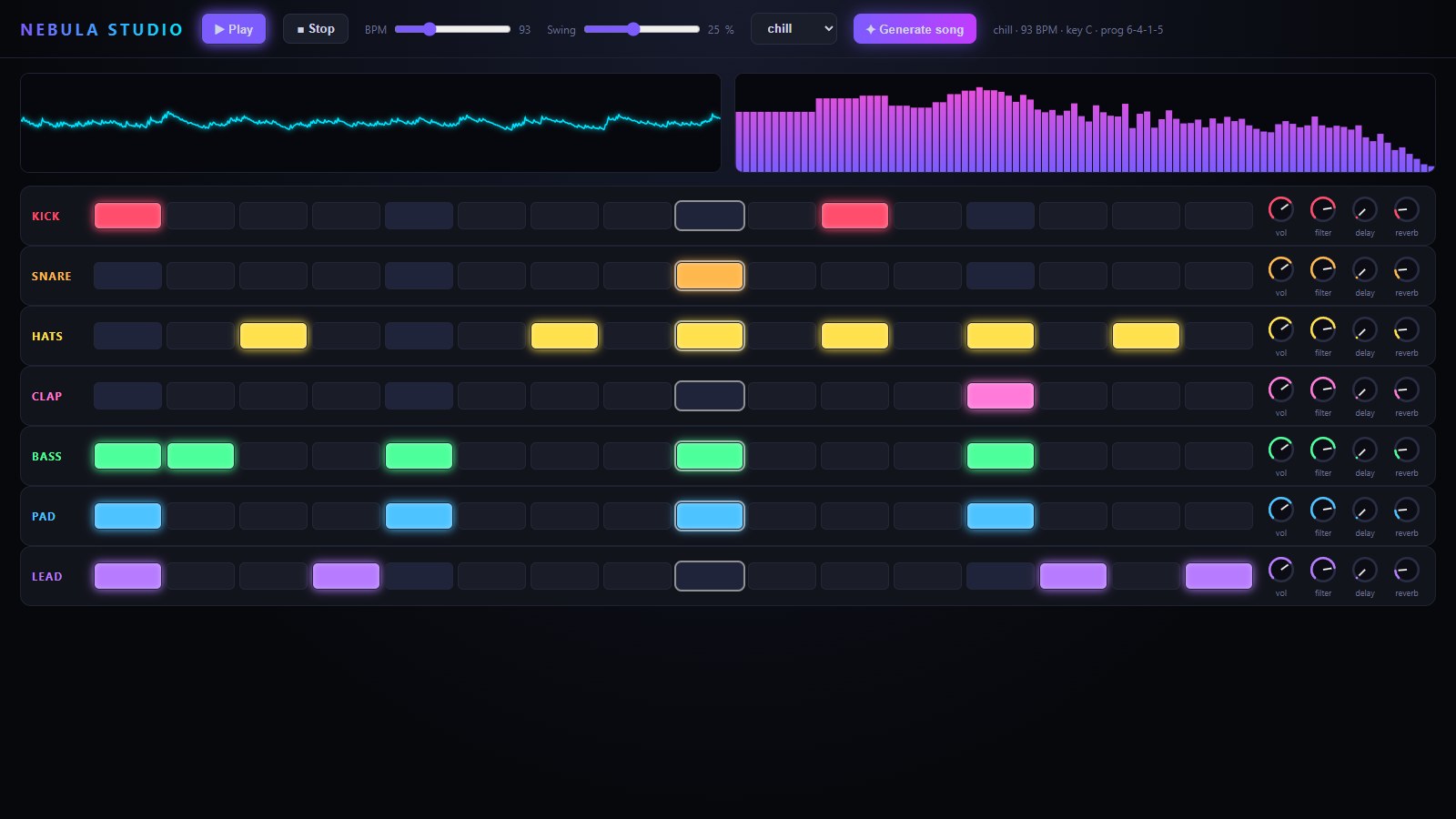
Opus 5.5, from the video-24 run. No edits.
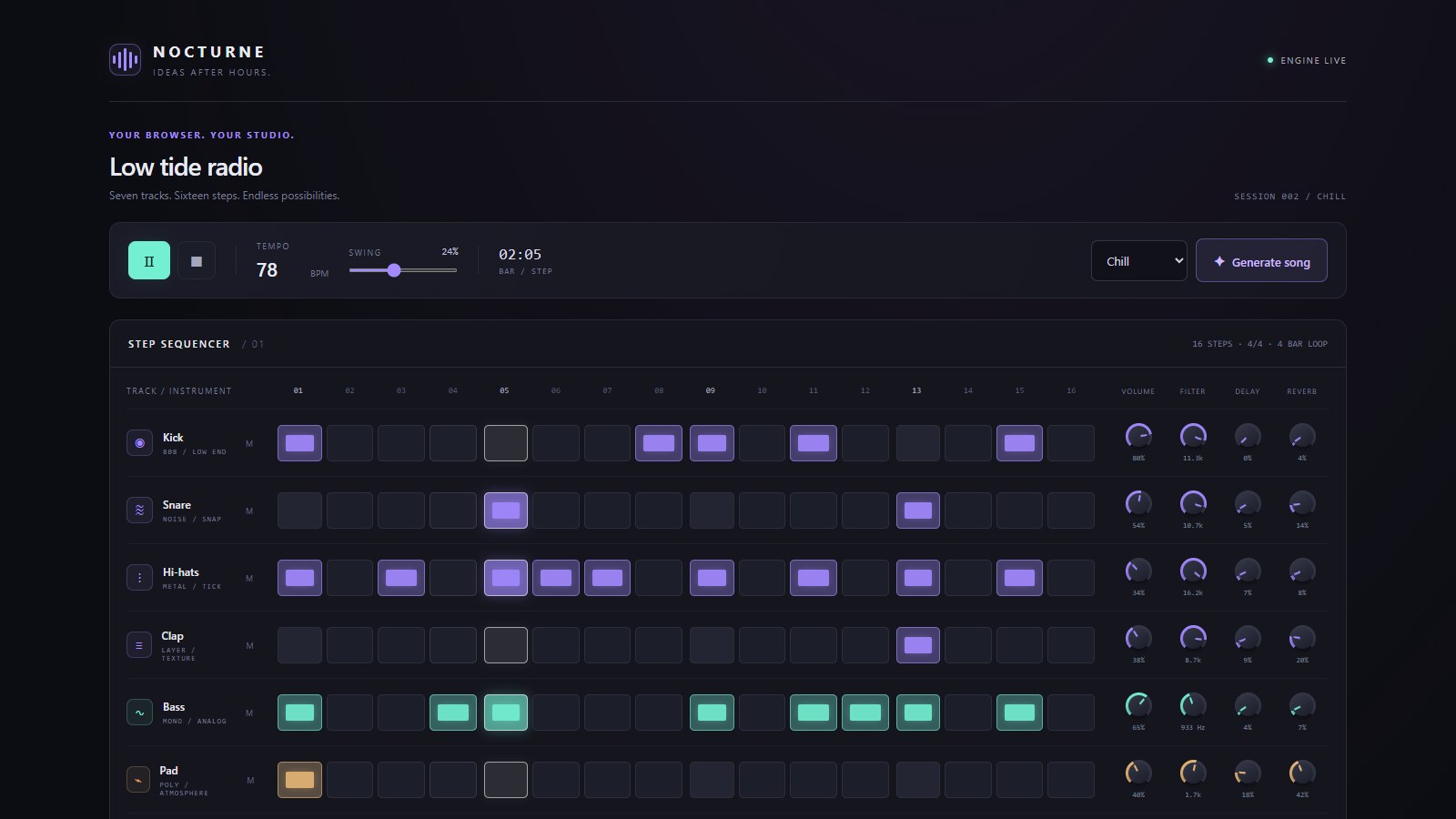
GPT-6.1 Sol, from the video-24 run. No edits.
As written: three Carbon files before their marked edits
Exactly what came back, all parts joined. One has the model's reasoning text inside a line of code, one an unfinished script followed by a second full copy, one a shader that never compiles.
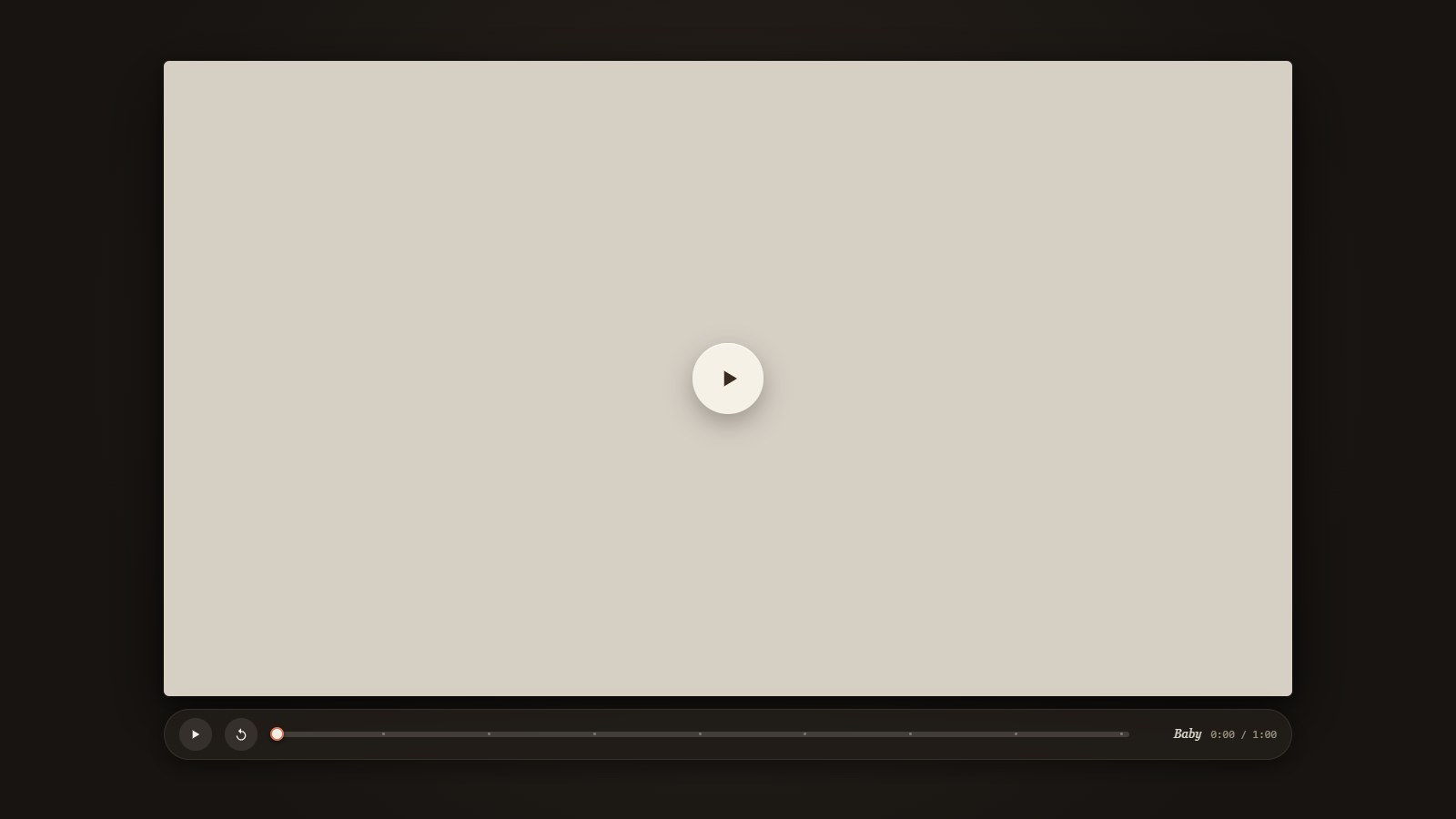
Syntax error at the seam, where 18,373 characters of reasoning text sit inside a line of code.
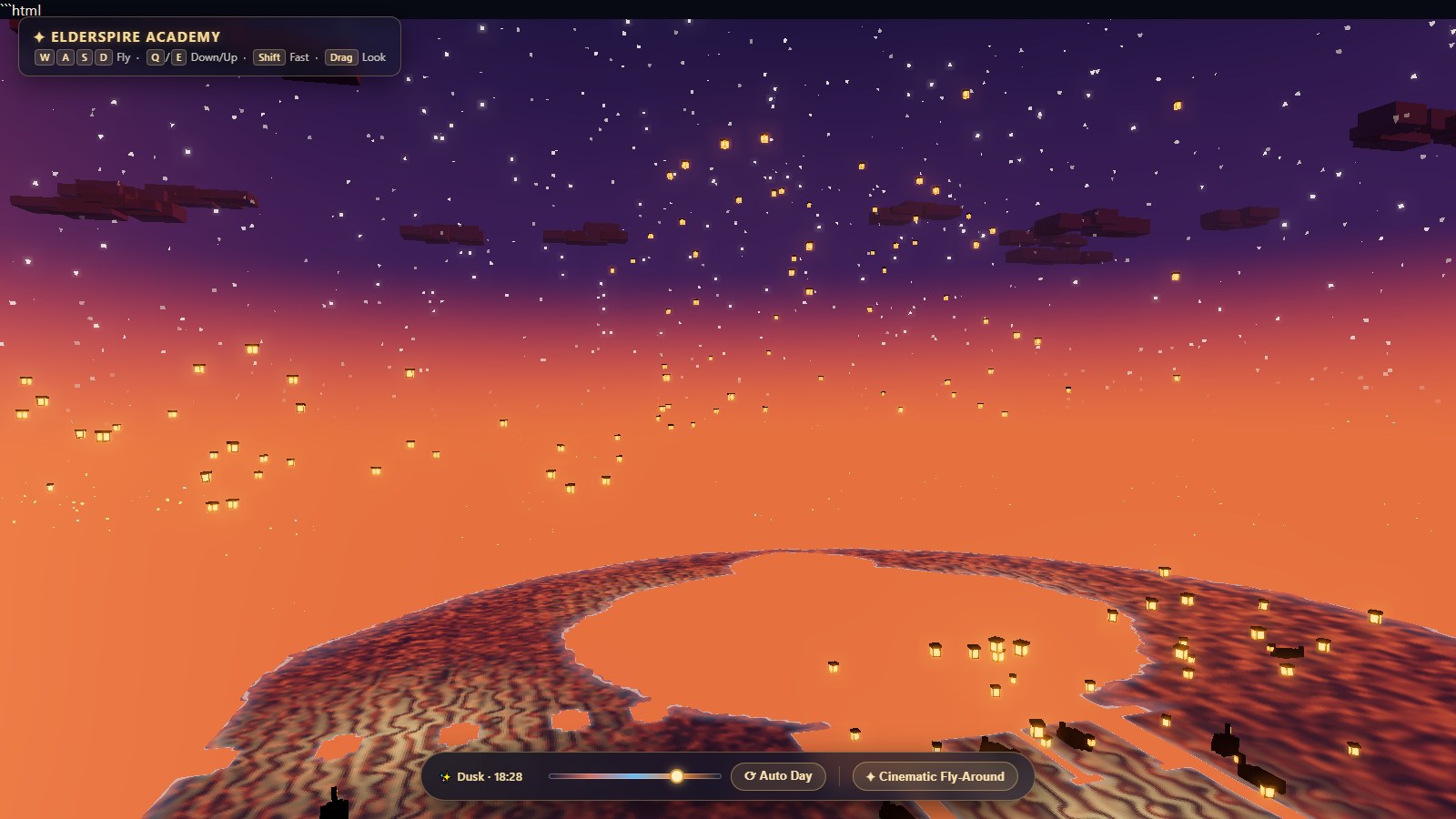
Sky, lanterns and clouds only: every castle material fails to compile ('vUv' undeclared).
The first script ends mid-line and is closed by the second part, which then starts the script again from the imports. It runs: the second, complete copy draws the car, the first only throws an error.
What it cost
Every bill below is computed from the tokens each model really used, at the list price per million tokens: Carbon and Argon $2 in and $10 out (both $4 and $20 from December 1, 2026, per Google's pricing page), Hydrogen $1.50 and $7.50, Opus 5.5 $4 and $20, Sol $2 and $10. Carbon ran on Google's Flex tier, which bills half of that ($2.61 actually paid for the six). Carbon's tokens include the continuation requests it needed because the route stops every answer at 65,536 tokens; its first answers alone were 382k tokens. Carbon's time counts only the requests that came back (another 34 minutes went into requests that dropped).
| Model | Builds | Output tokens | Bill at today's list price | Same tokens from Dec 1 | Generation time |
|---|---|---|---|---|---|
| Gemini 4 Carbon | 6 | 482k | $5.21 | $10.43 | 81 min |
| Gemini 4 Hydrogen | 6 | 233k | $1.75 | $1.75 | 27 min |
| Gemini 4 Argon | 6 | 152k | $1.52 | $3.05 | 23 min |
| Claude Opus 5.5 | 6 | 134k | $2.70 | $2.70 | 21 min |
| GPT-6.1 Sol | 6 | 77k | $0.77 | $0.77 | 26 min |
The exact prompts are for Ruocco Academy members. The Academy is not open yet: join the waiting list and you get one email when it opens. The demos on this page are free to use for everyone.
Join the waiting list