Muse Wonder, Opus 5.5 and Sol: same prompts, eighteen builds
Meta says Muse Wonder rivals Claude Opus 5.5. So the same six short prompts (a life animation, a voxel castle, a short film, a 3D car showroom, a driving game, a music studio) went to Meta Muse Wonder, Claude Opus 5.5 and GPT-6.1 Sol, one request each, and the three models also took three agent-style tests. Everything runs in your browser. Muse Wonder Full is not here: it is only available with a Meta subscription, so we could not test it.
A whole life, drawn in code
A human life from first heartbeat to old age, every frame drawn by JavaScript on one canvas, with a score synthesised in the browser.
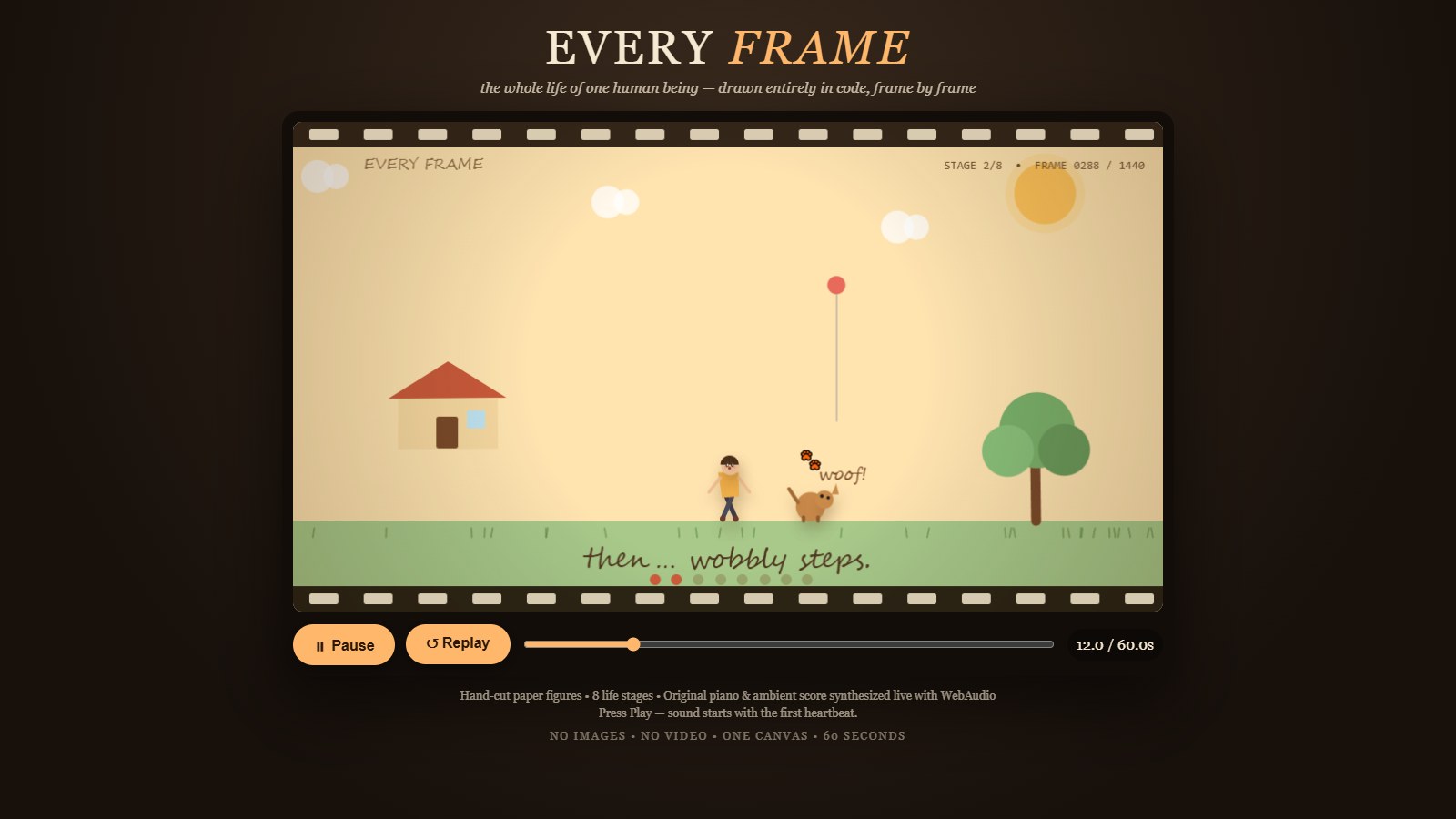
Paper-style stages on a film strip with a timeline. One marked fix: a comma where a colon belonged in a ternary, which stopped the script.
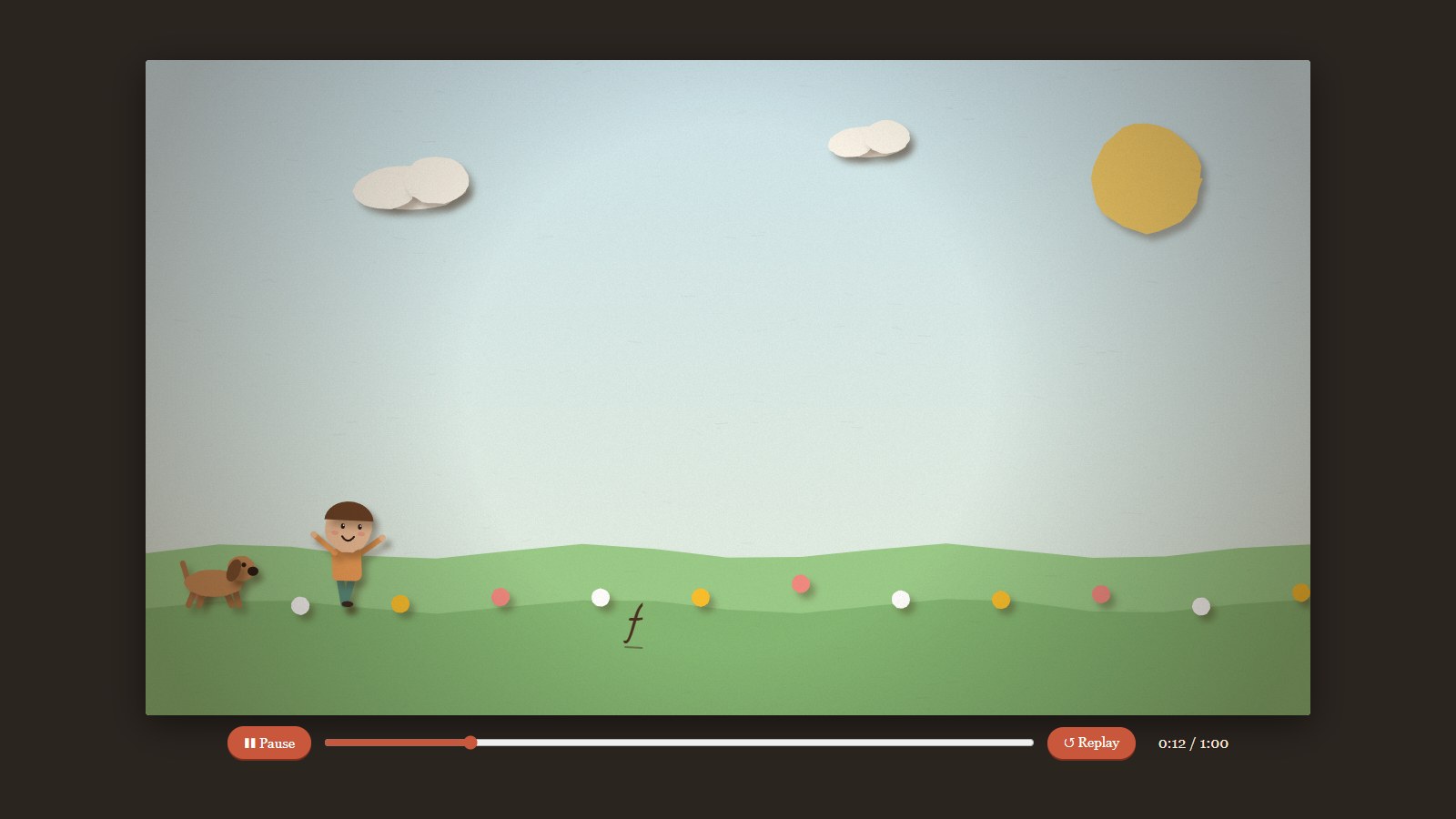
Opus 5.5, from the video-24 run. No edits.
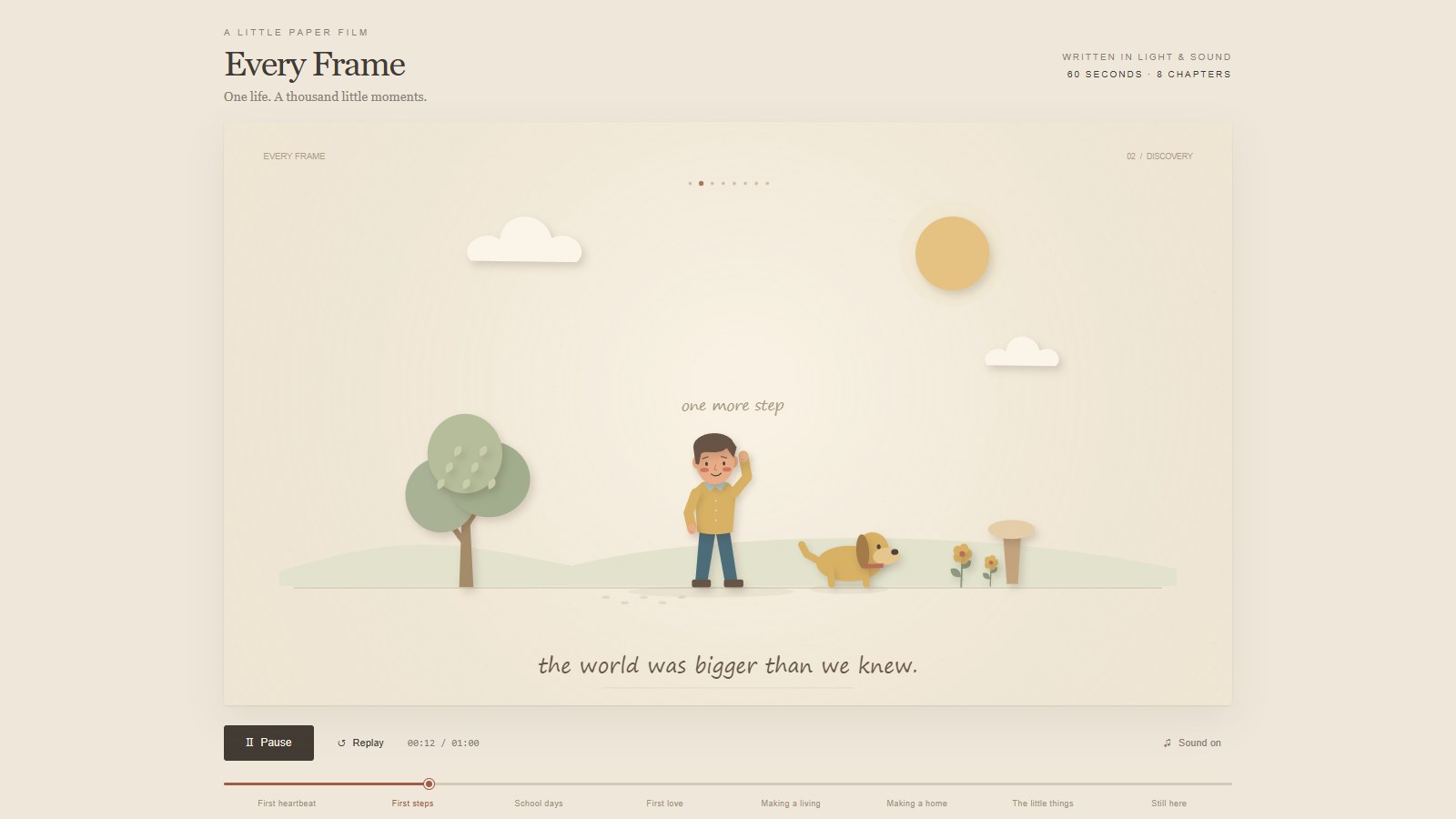
GPT-6.1 Sol, from the video-24 run. No edits.
A voxel castle school on a lake
Thousands of instanced blocks, a day and night cycle and a fly camera.
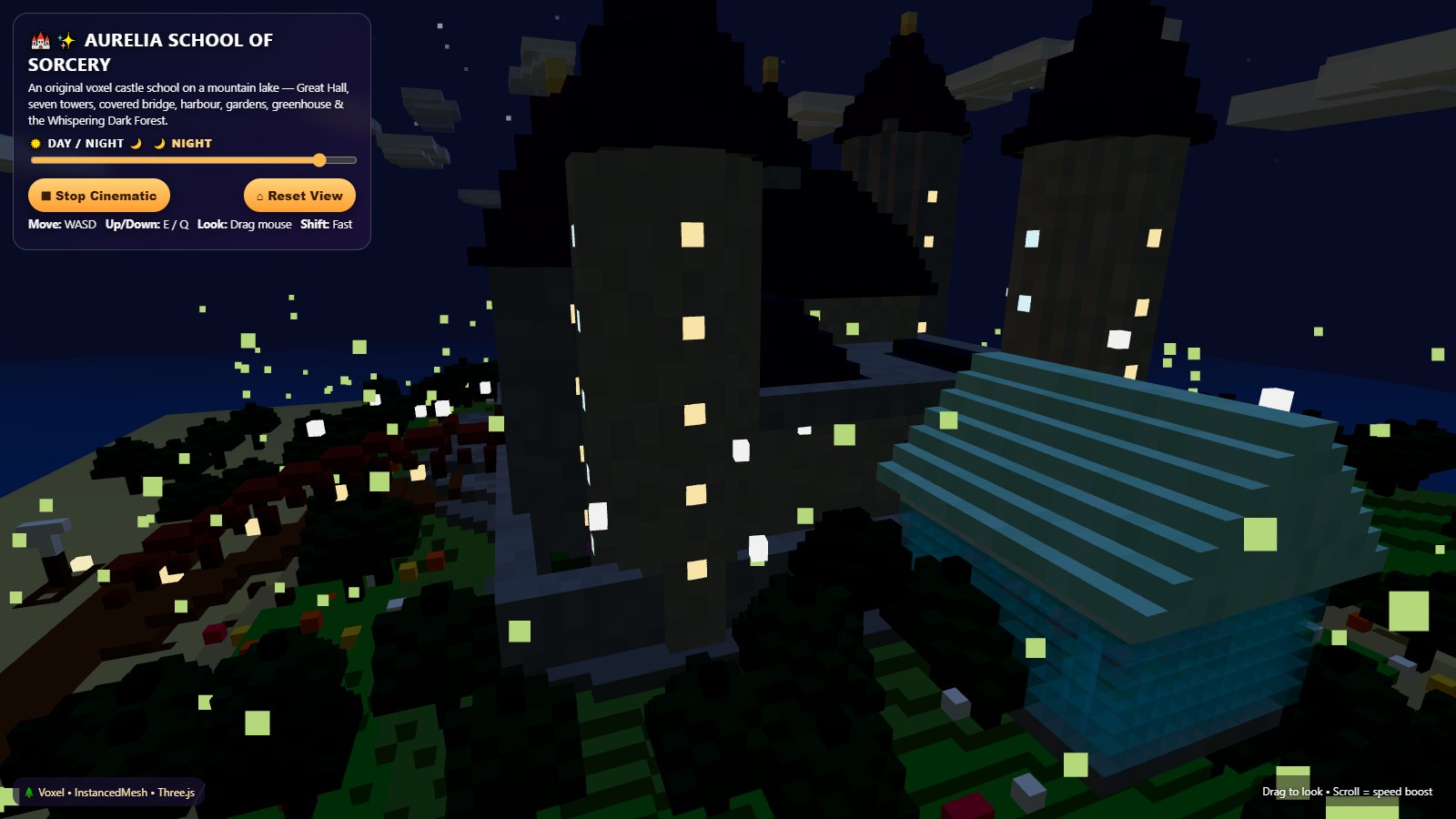
Our second run: the first reply was cut off mid-code (stray text at the end), so we asked again with the same prompt. This one runs, no edits.
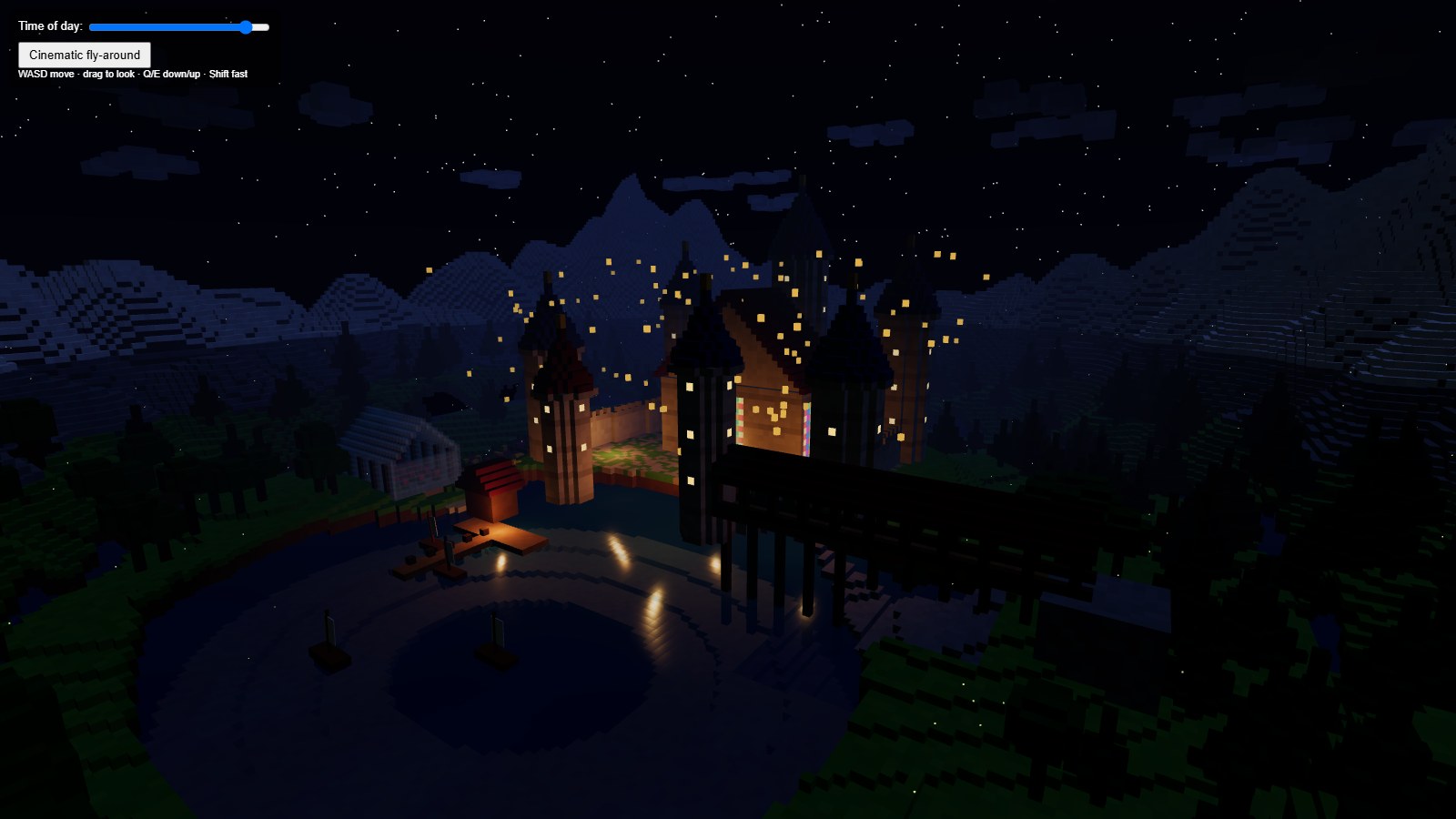
Opus 5.5, from the video-24 run. No edits.
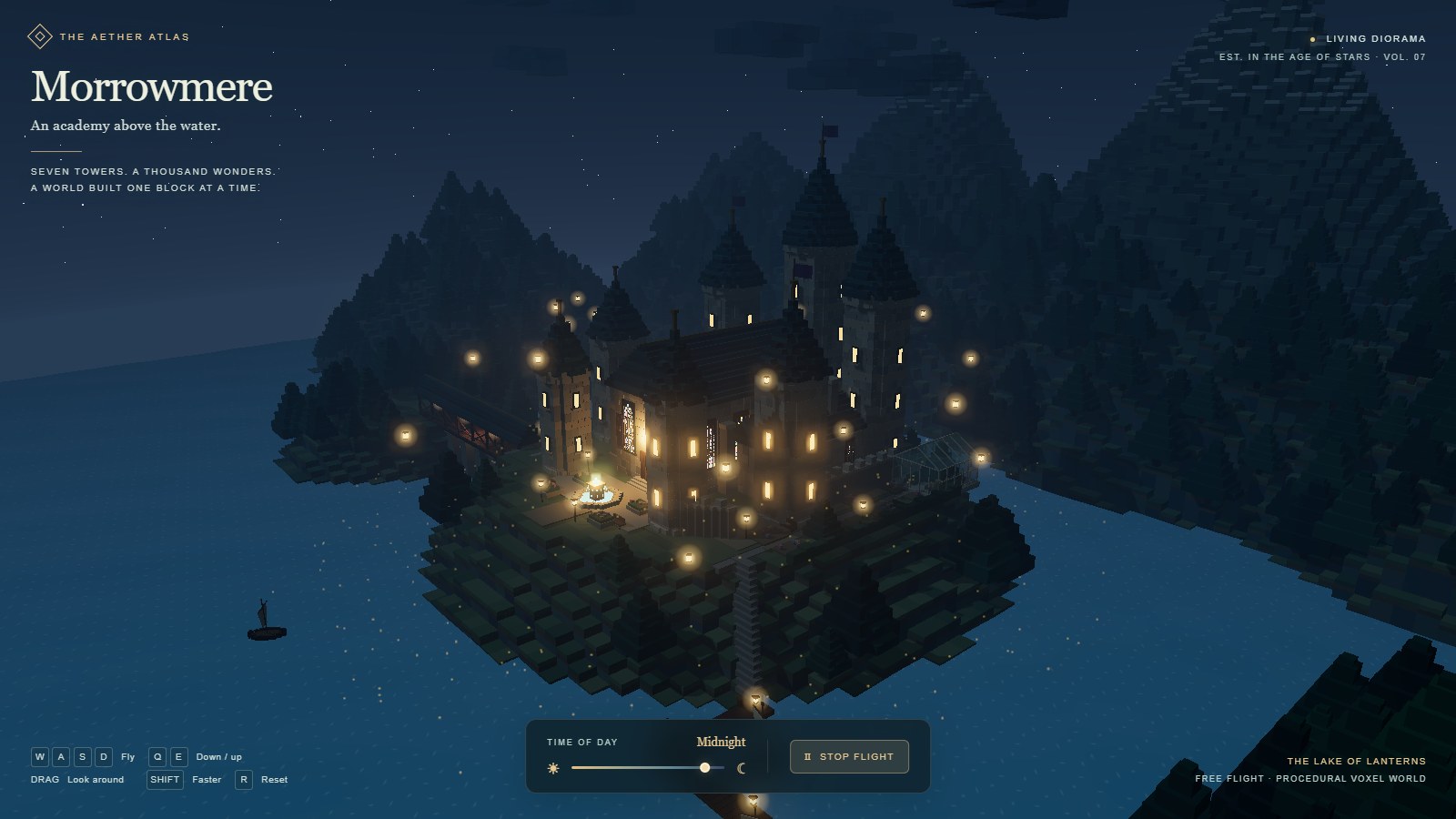
GPT-6.1 Sol, from the video-24 run. No edits.
A short film written in code
The Last Lighthouse: a storm, a sweeping beam, a boat fighting for the harbour, dawn. Sound is synthesised too.
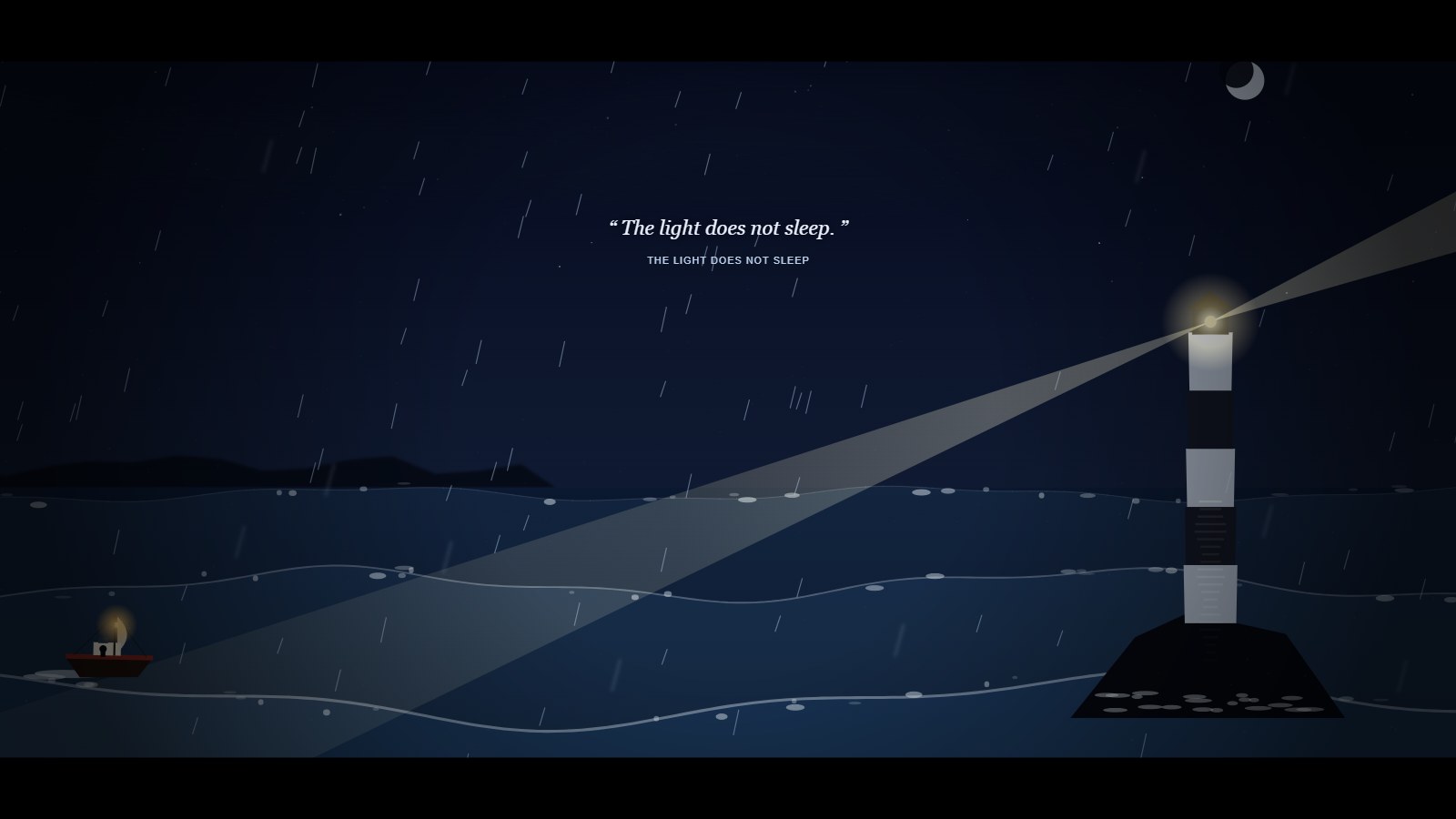
A title card, a rainy night sea and a sweeping beam. Ran first time, no edits.

Opus 5.5, from the video-24 run, with that run's one marked fix.
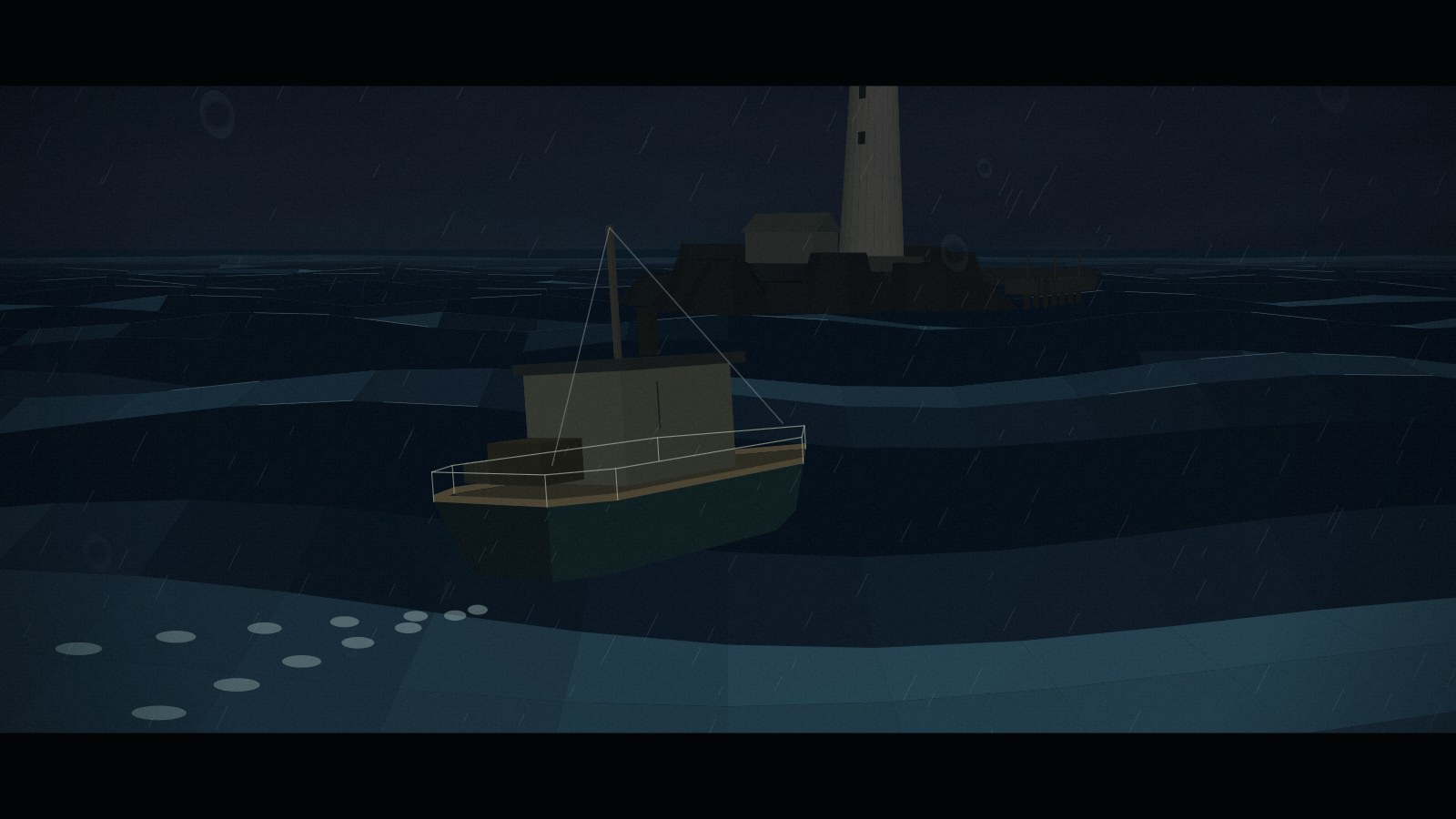
GPT-6.1 Sol, from the video-24 run. No edits.
A 3D car showroom
An original electric crossover modelled entirely in code: paint, doors, lights, wheels, a night city.
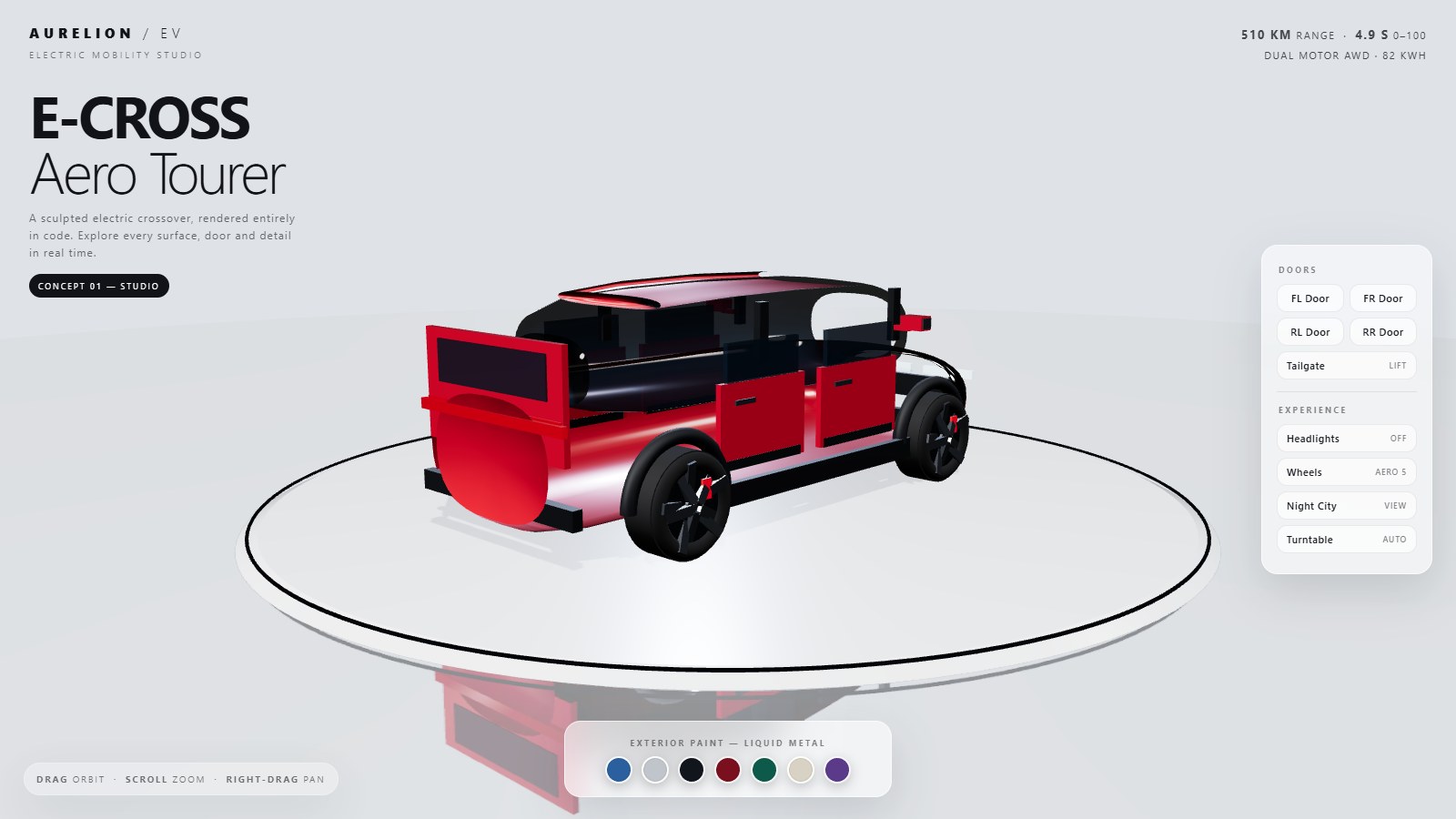
A studio turntable, paint swatches, doors, a tailgate and wheel styles. One marked fix: a helper function had the same name as the reflective floor, which stopped the script.
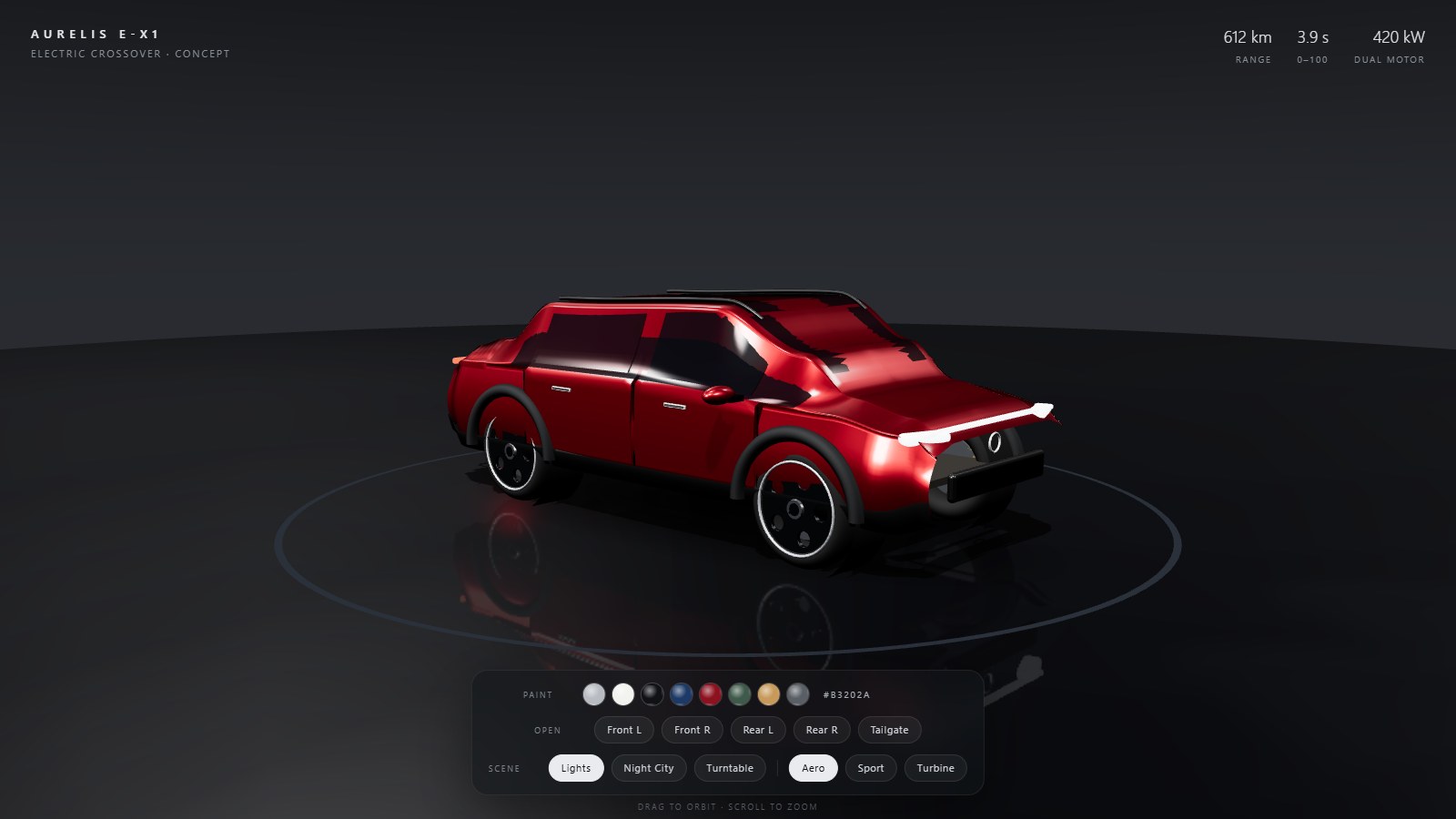
Opus 5.5, from the video-24 run. No edits.
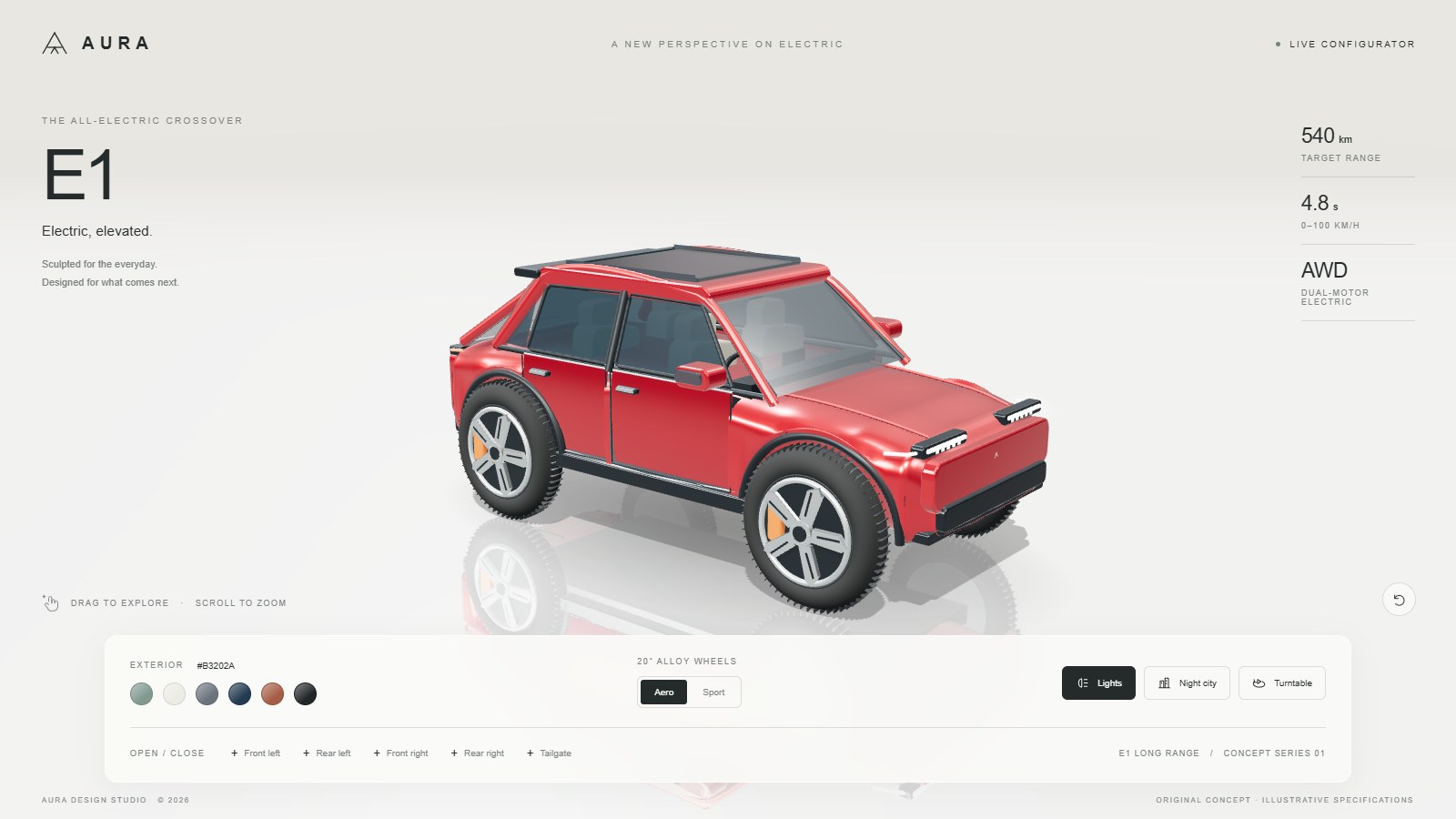
GPT-6.1 Sol, from the video-24 run. No edits.
A sunset coast drive
A stylised driving game with a convertible, traffic, a speedometer and engine sound.
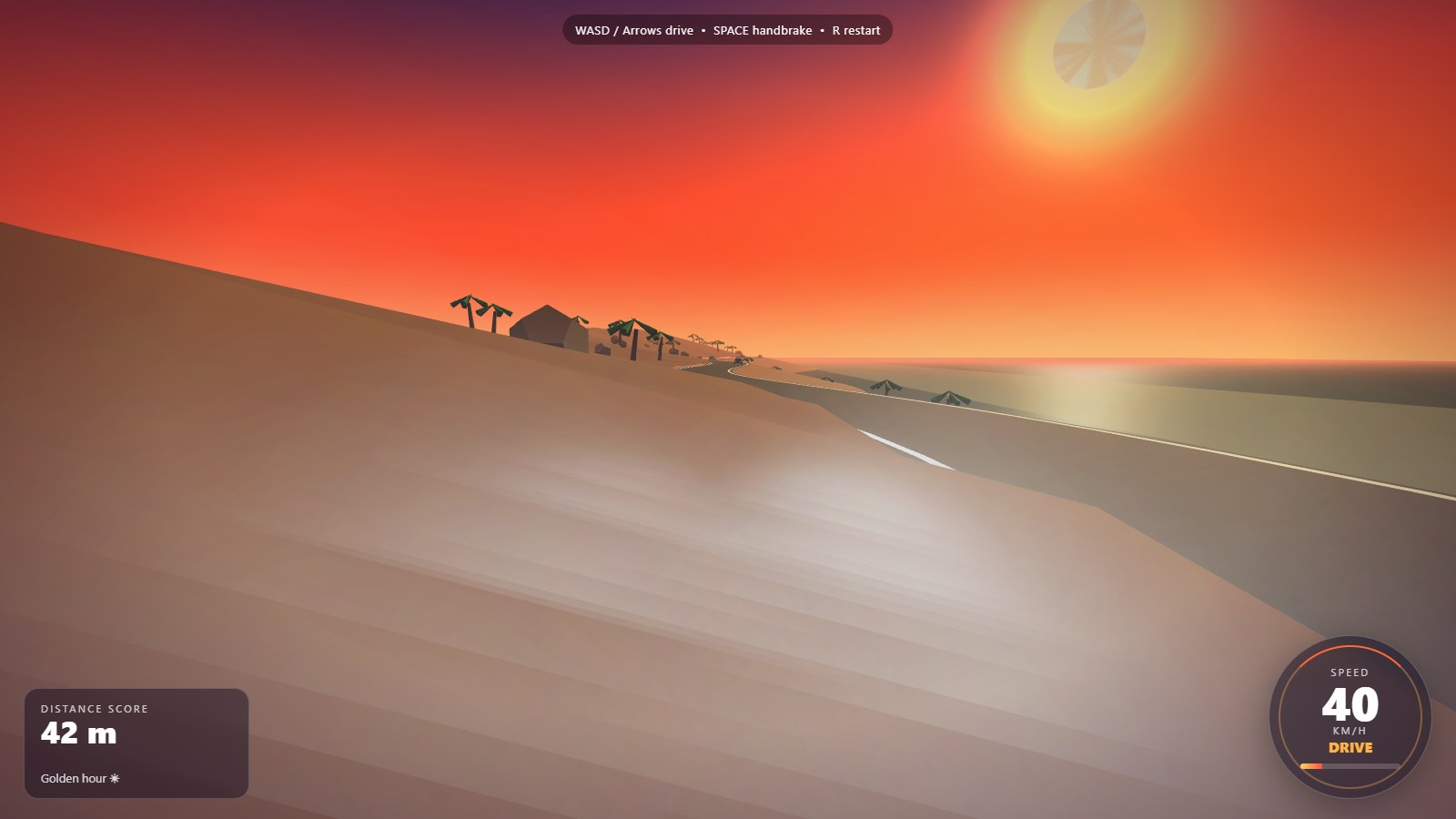
A low-poly cliff road, drifting with tyre smoke and a speedometer. Ran first time, no edits.
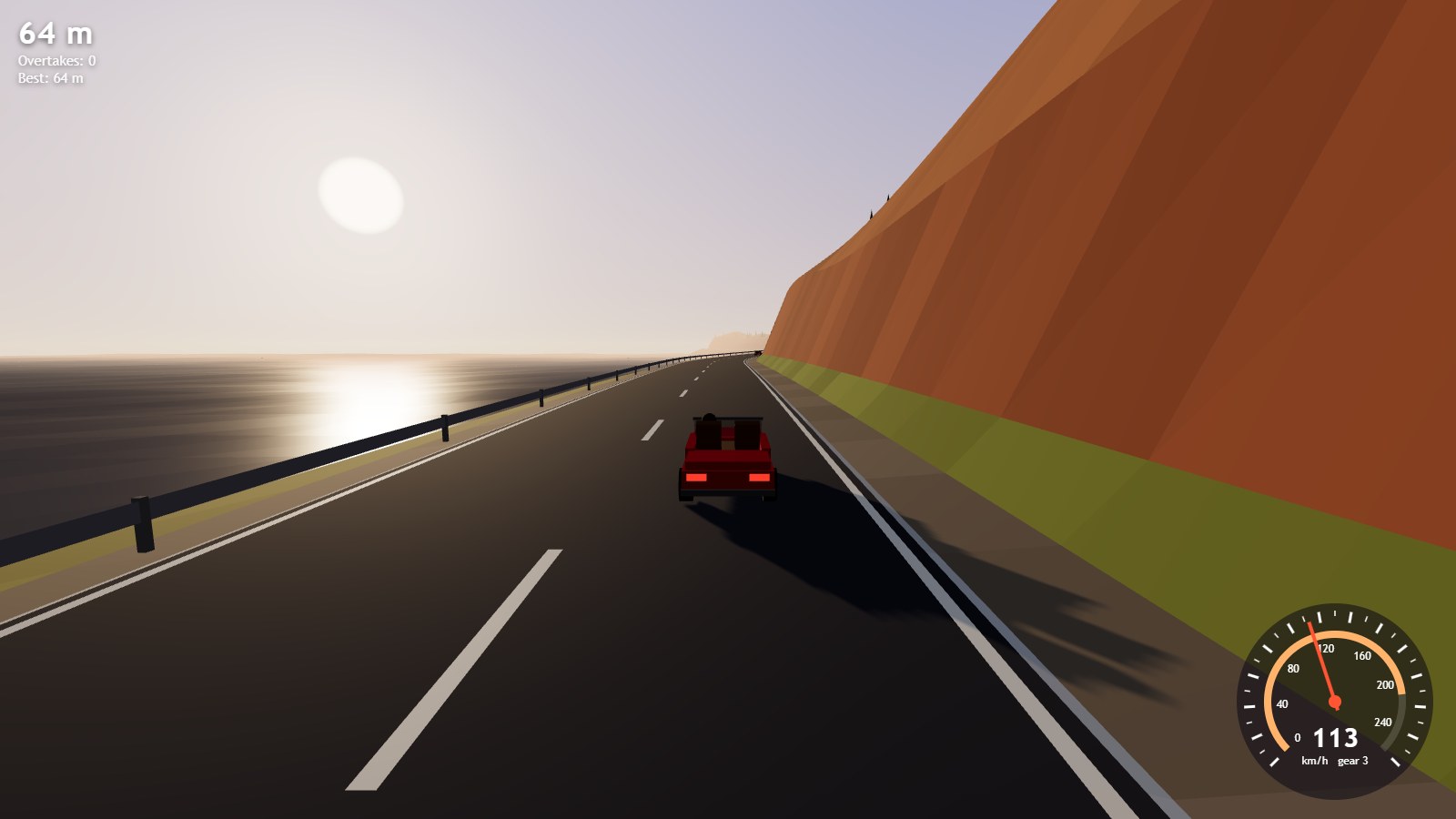
Opus 5.5, from the video-24 run, with that run's one marked fix.
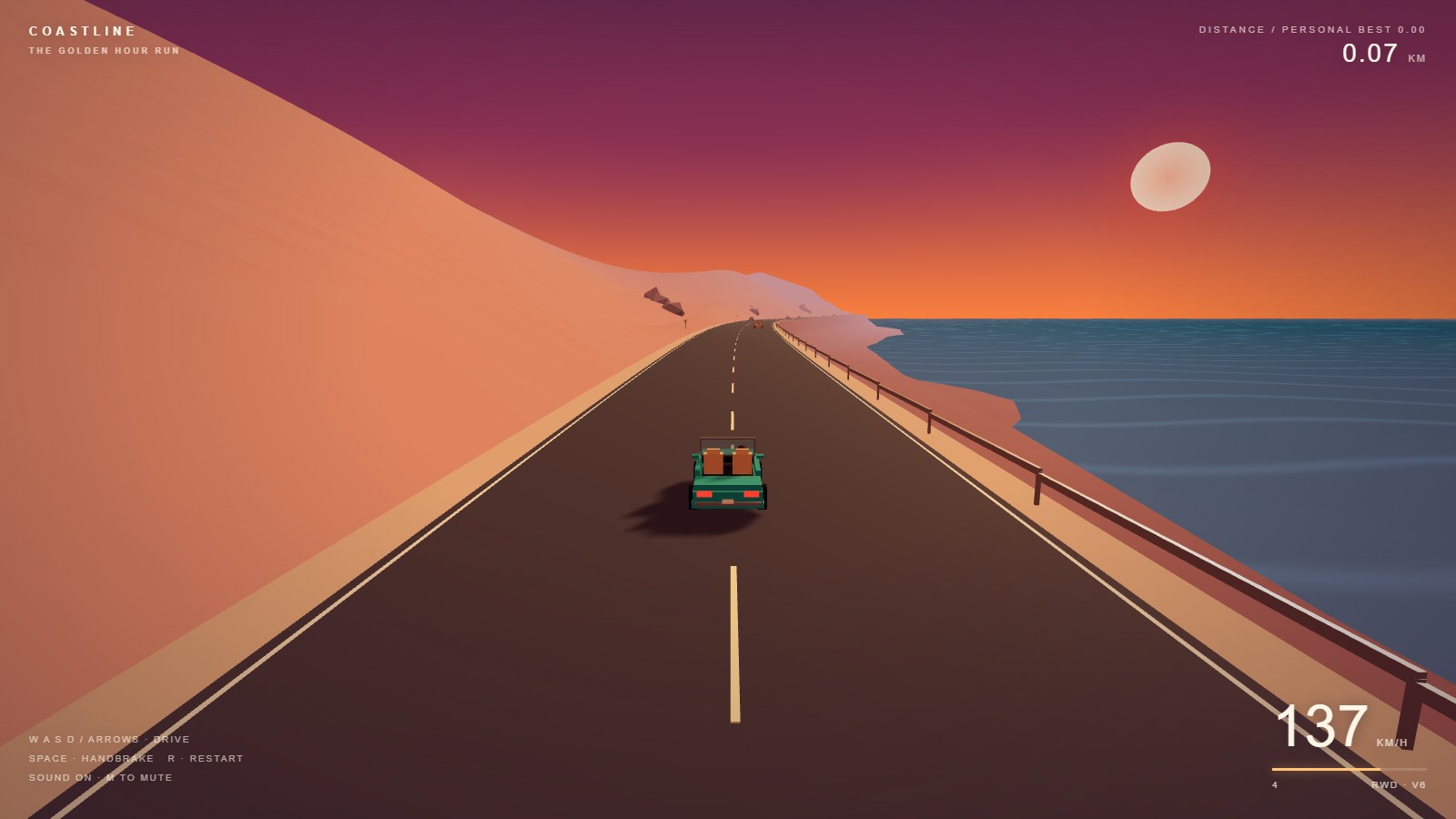
GPT-6.1 Sol, from the video-24 run. No edits.
A music studio in the browser
A step sequencer, synths, drums, effects and a button that composes a song.
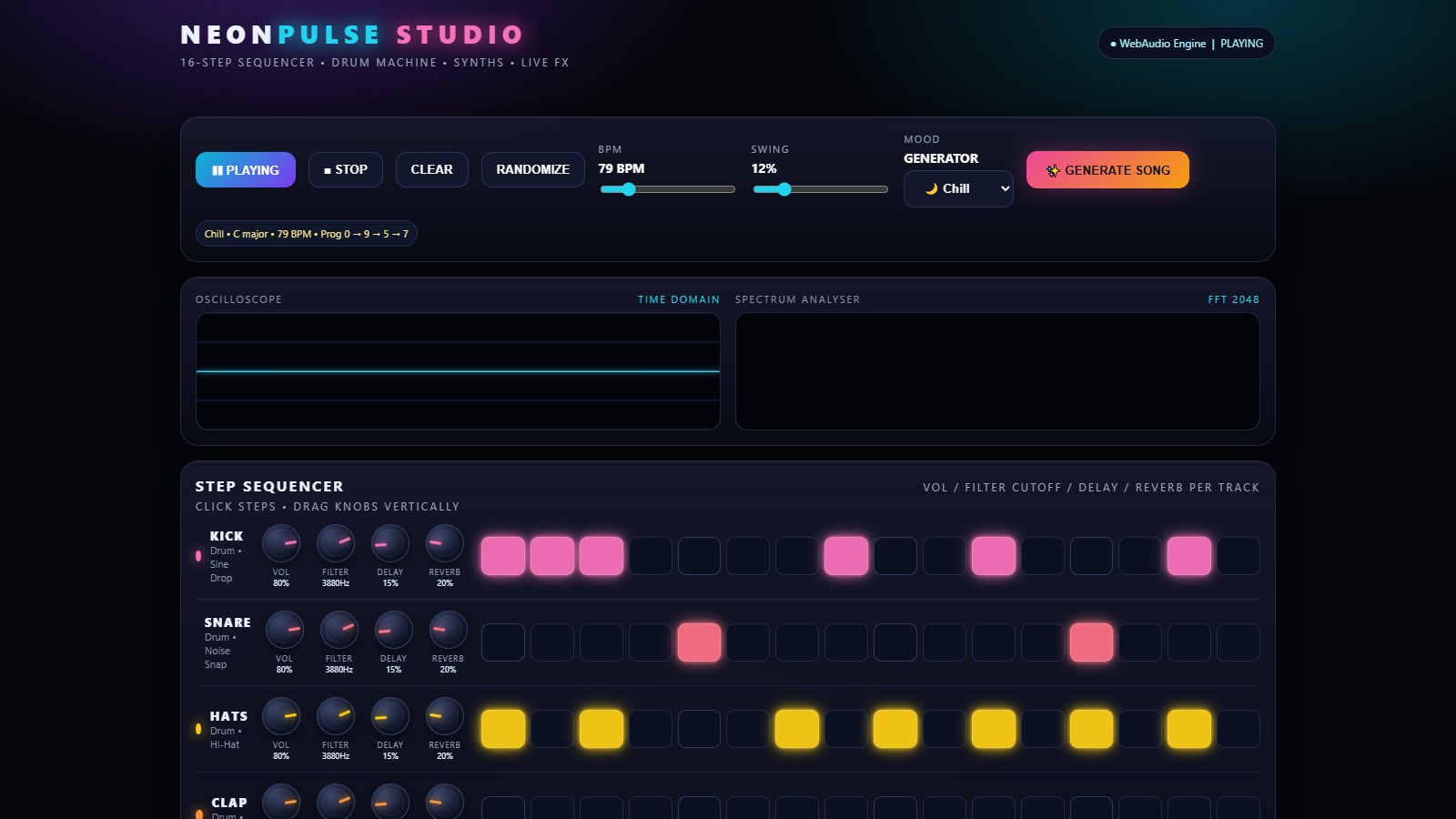
Loads and looks the part: seven tracks, glowing steps, knobs and Generate song. But the oscilloscope and spectrum stay empty and the console reports an error on every step (a pad track points at a node that does not exist). No edits.
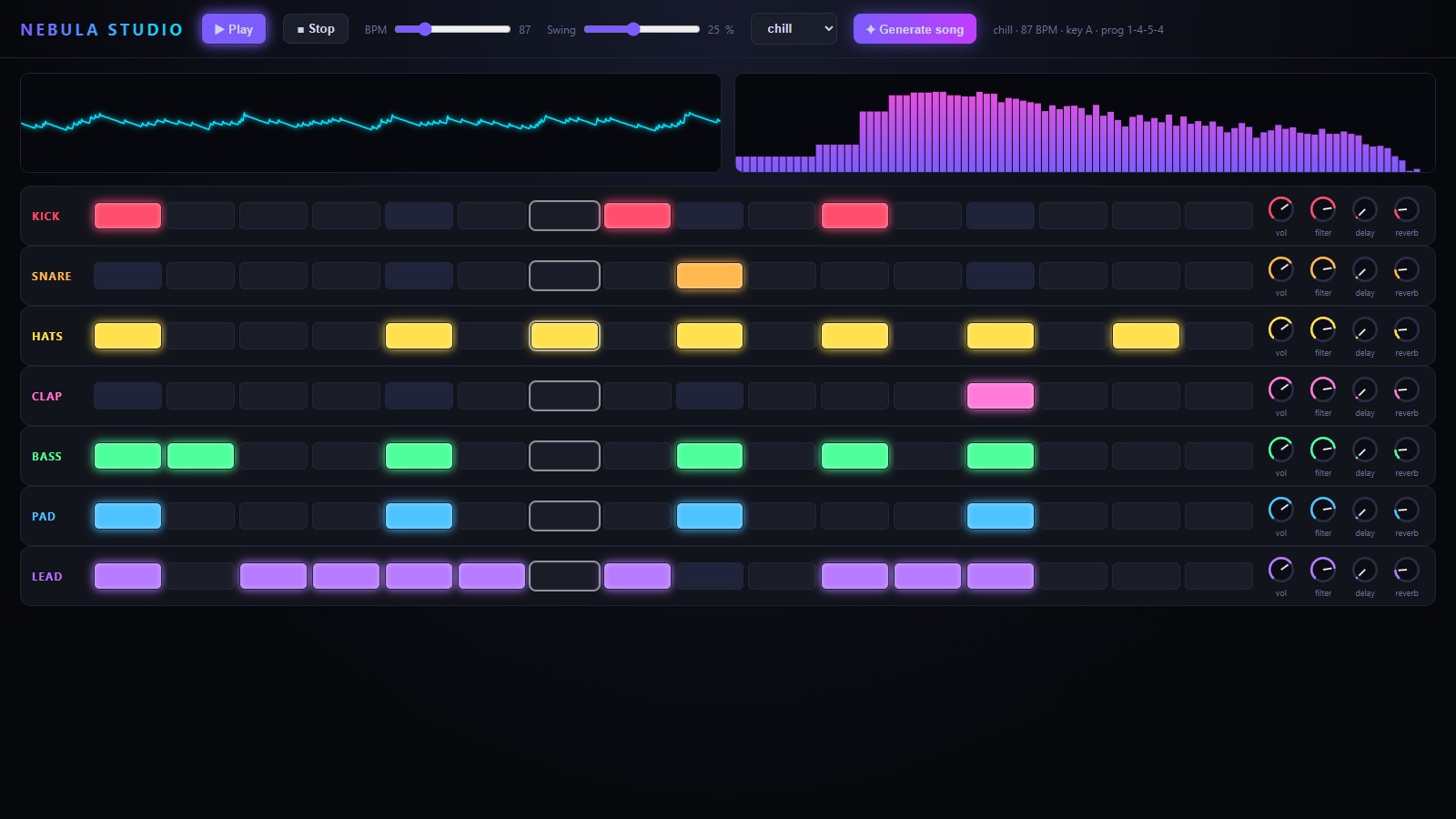
Opus 5.5, from the video-24 run. No edits.
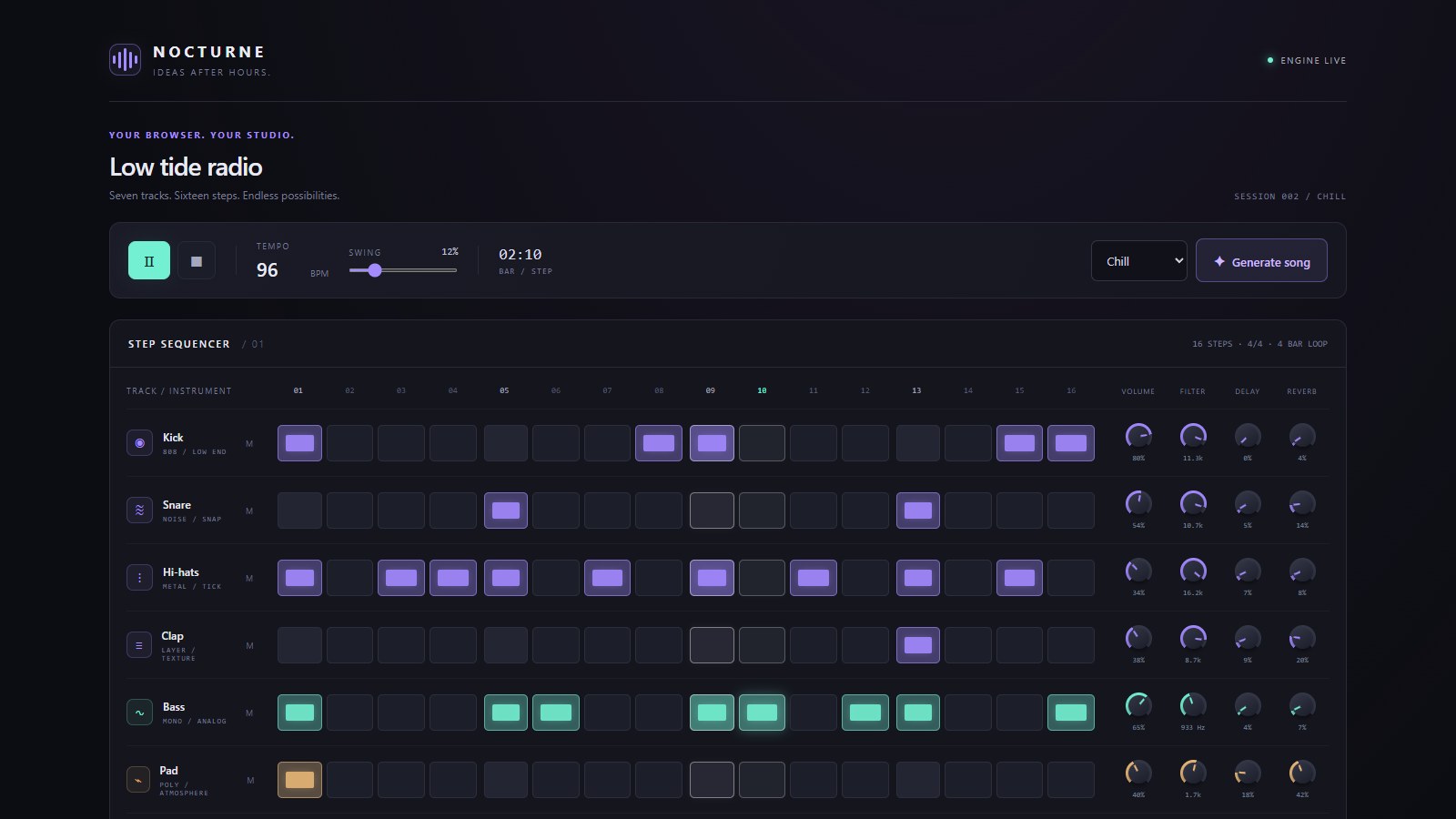
GPT-6.1 Sol, from the video-24 run. No edits.
Three agent-style tests
Muse Wonder and Opus 5.5, same task, same tools, with the result checked by a program, not by eye.
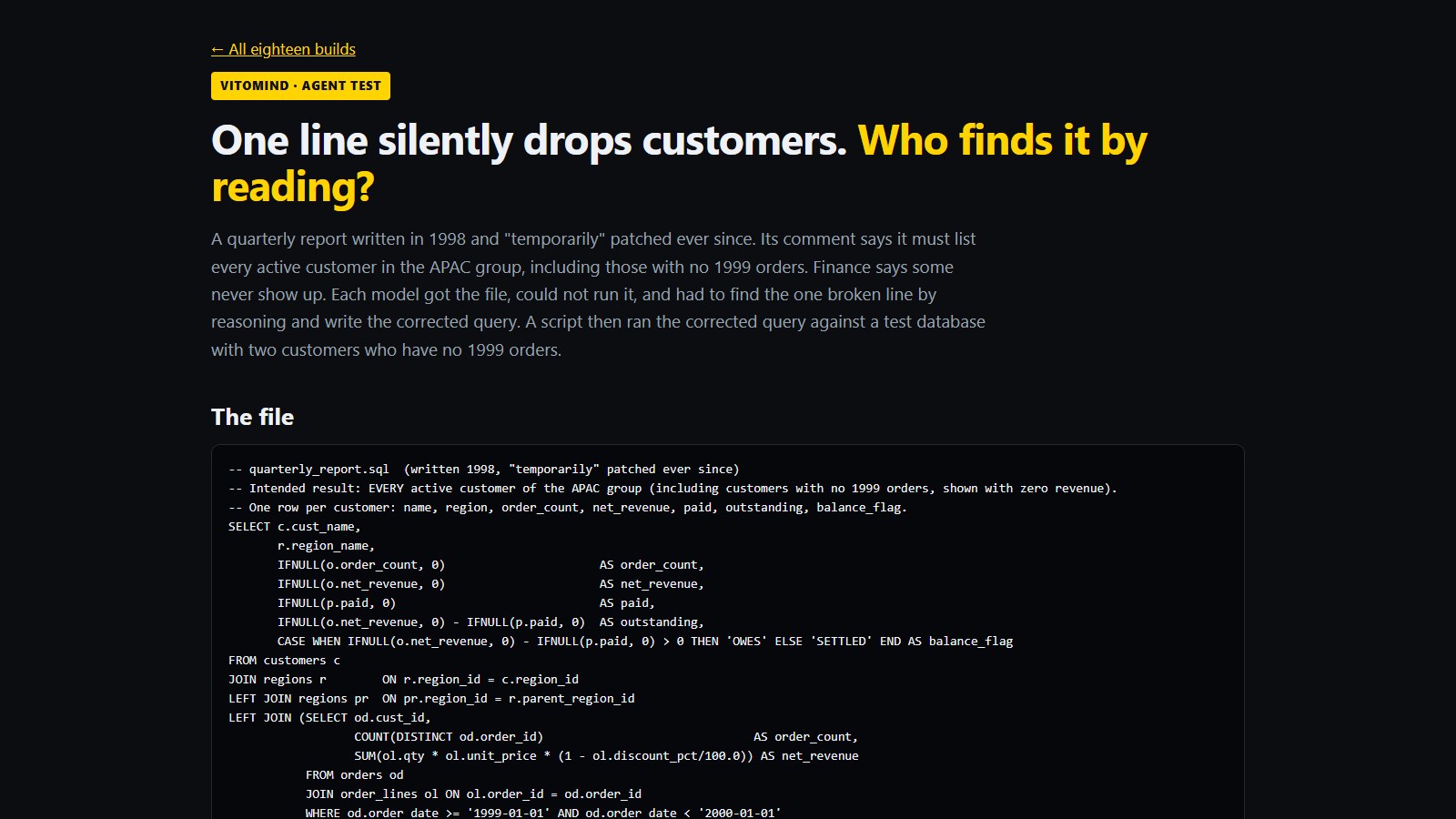
A 1998-style quarterly report that silently drops customers. Both models found the one broken line by reading, no running. A script then checked their fixed queries.
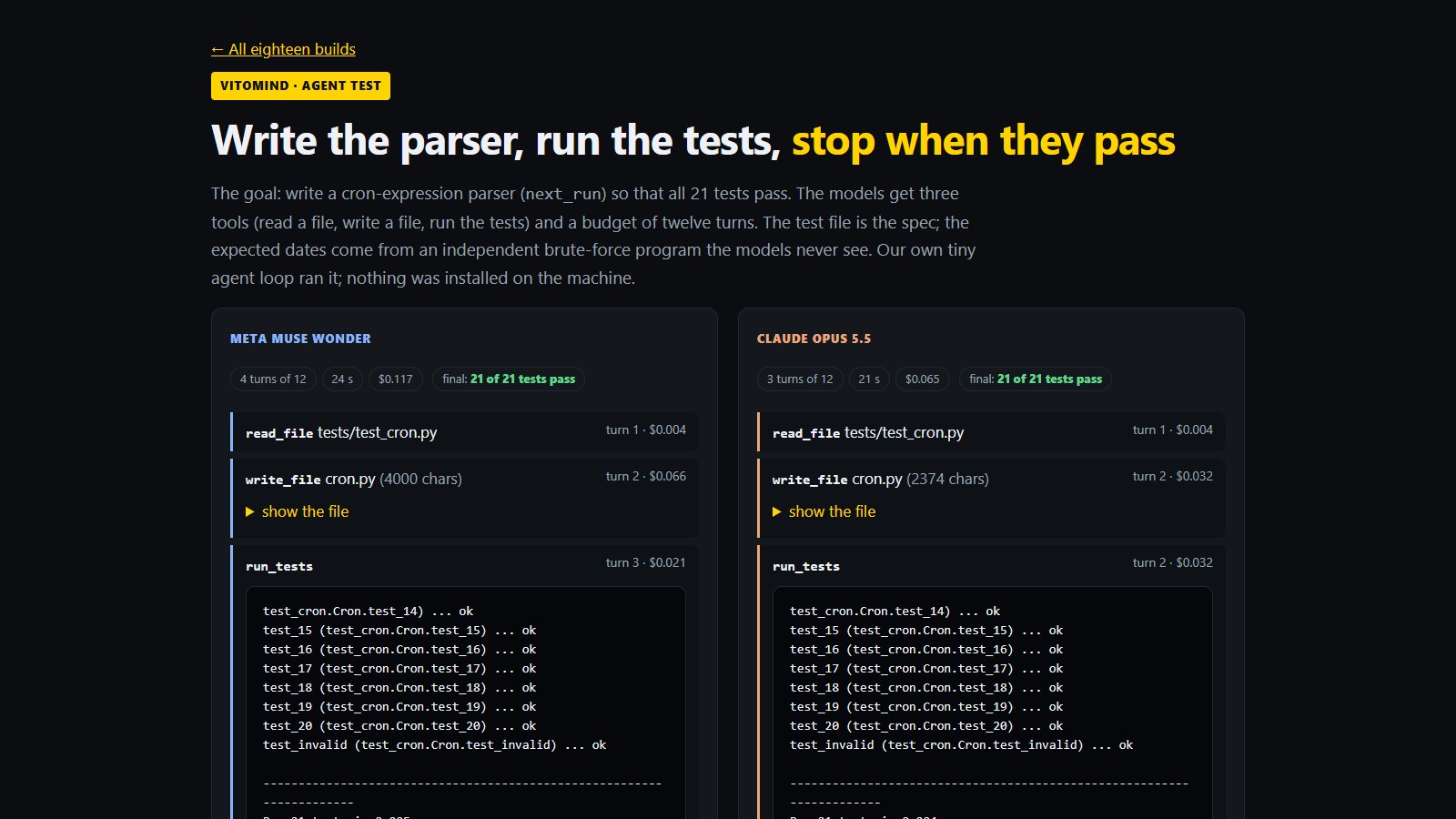
Goal: write a cron-expression parser until 21 tests pass. Each turn, tool call and cost is shown.
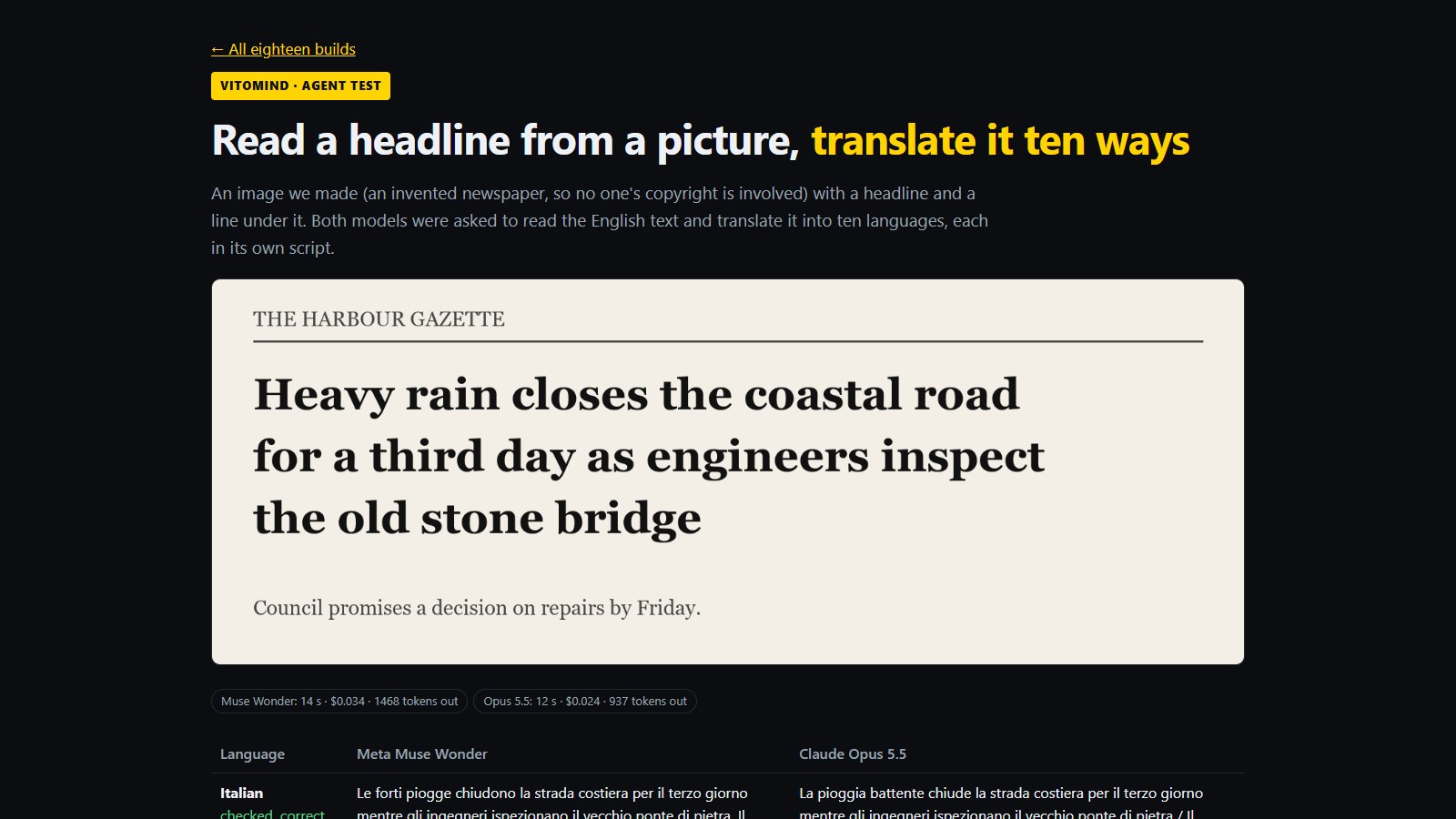
An image of a newspaper headline we made, read and translated into ten languages. Five of them read through for mistakes.
What it cost
API cost of the six creative builds, as billed by OpenRouter. Muse Wonder and Opus 5.5 are both listed at $4 per million input tokens and $20 per million output tokens; Sol is $2 and $10. Muse Wonder's total counts the castle run that works; the first, cut-off castle reply cost another $0.10.
| Model | Six builds, total cost | Total generation time |
|---|---|---|
| Meta Muse Wonder | $1.18 | 8.0 min |
| Claude Opus 5.5 | $2.70 | 20.8 min |
| GPT-6.1 Sol | $0.77 | 26.2 min |
The exact prompts are for Ruocco Academy members. The Academy is not open yet: join the waiting list and you get one email when it opens. The demos on this page are free to use for everyone.
Join the waiting list